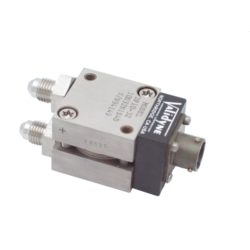
Pressure port contamination is one of the most common — and preventable — causes of sensor failure. Dust, oil mist, particulates, biological debris, or corrosive materials entering the pressure ports… Read More
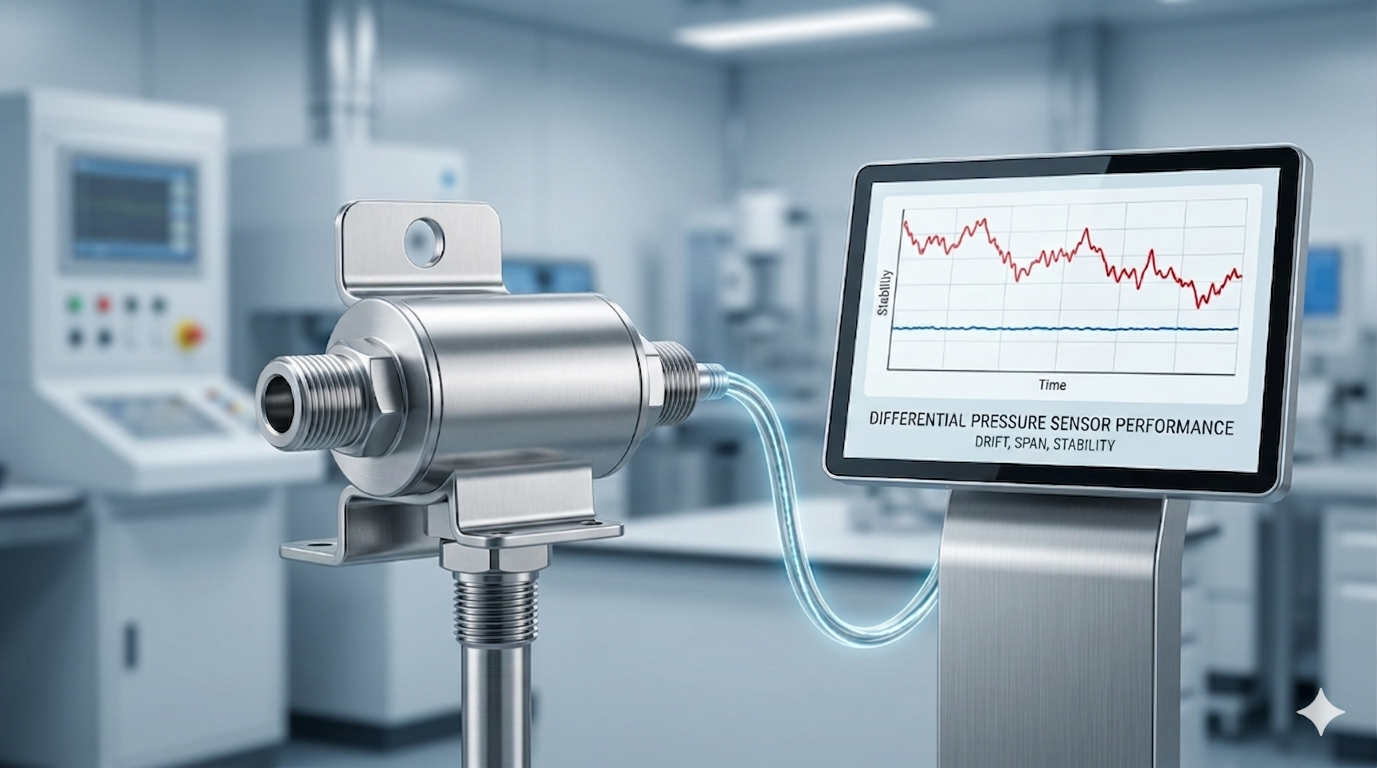
Pressure sensor accuracy isn’t determined only at the moment of calibration. Over days, weeks, or years, every pressure sensor experiences some degree of zero drift, span shift, and long-term stability… Read More
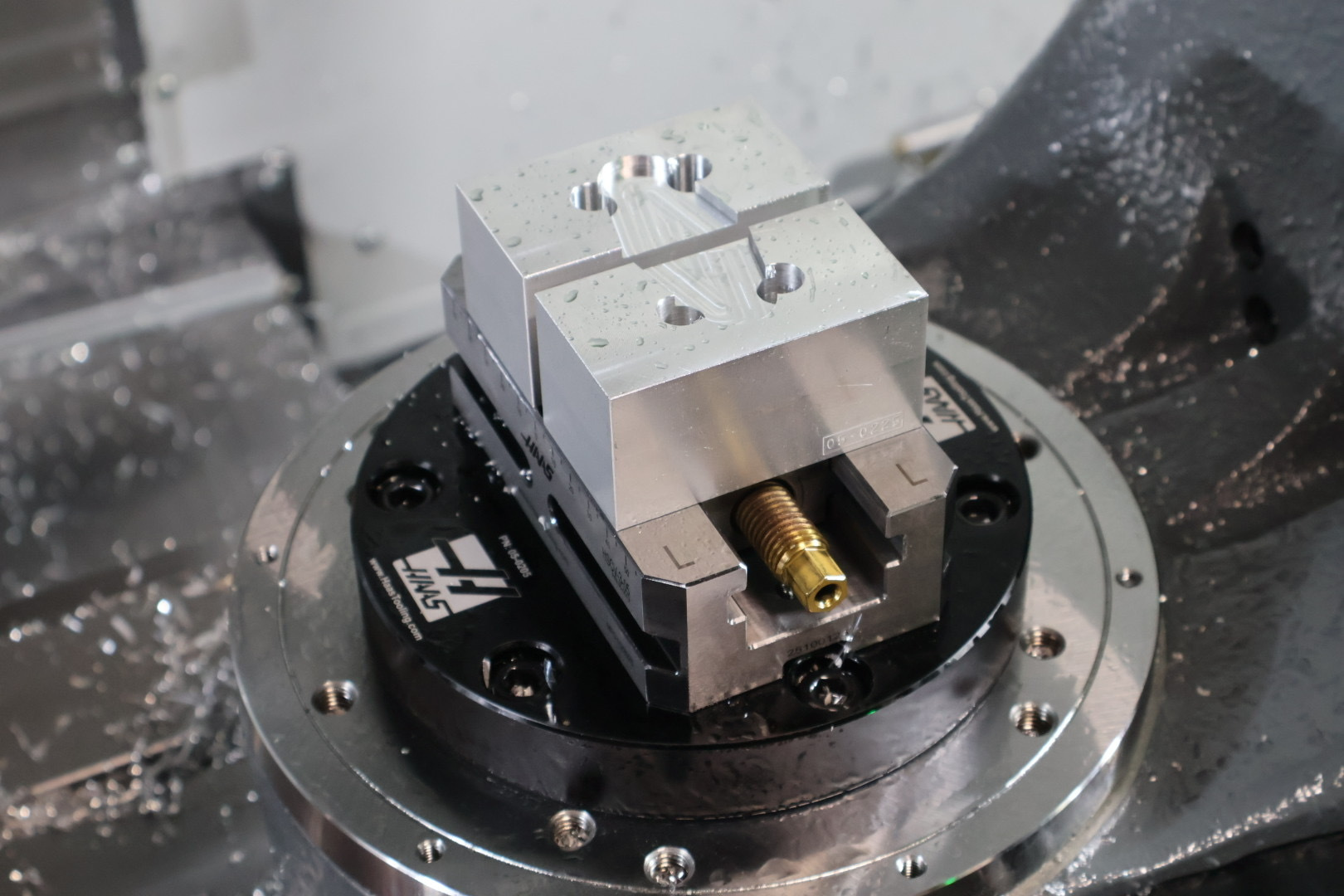
Why In-House Machining Makes the Difference One of Validyne’s biggest advantages, and one that most sensor companies cannot match, is that we machine almost every metal component of our sensors… Read More
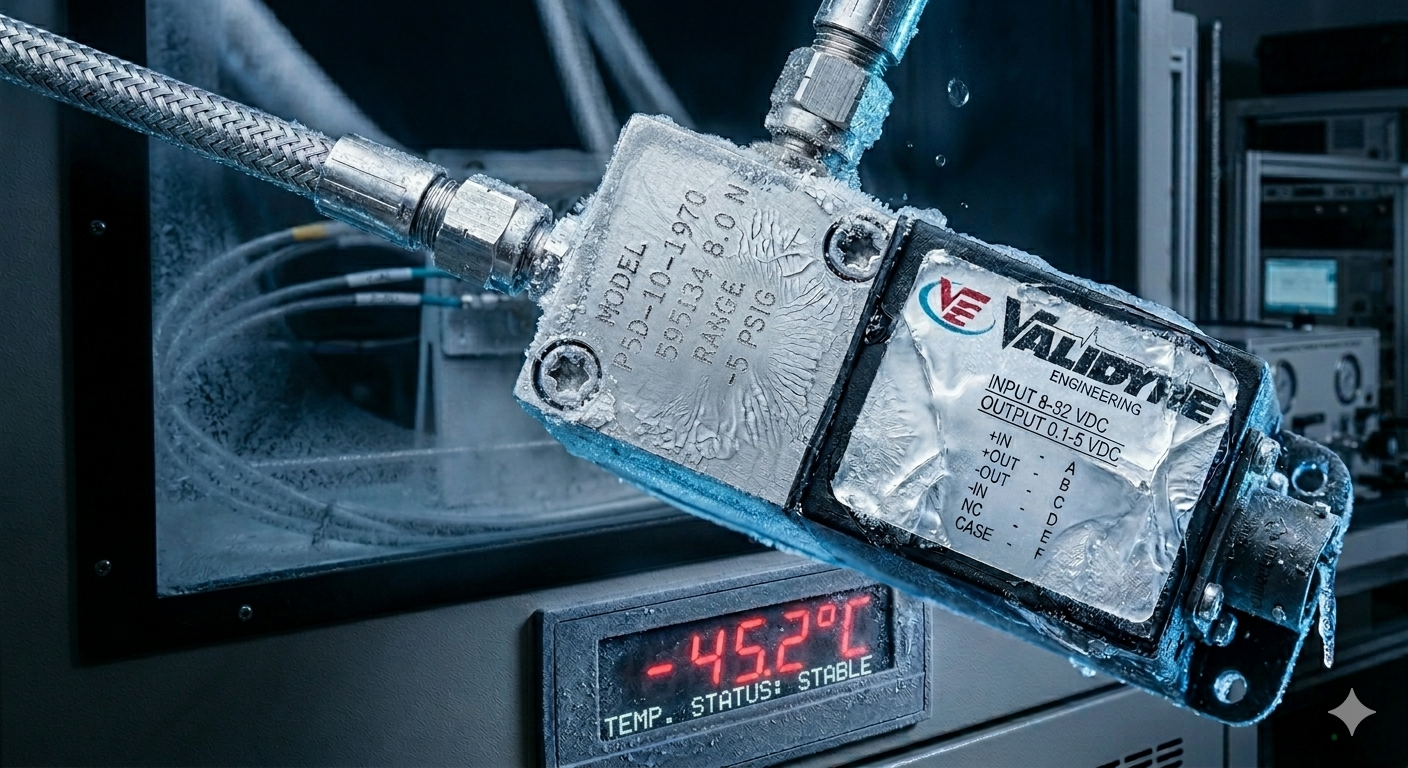
Calibrating pressure sensors at very low temperatures, especially below -20°C, is a challenge for many manufacturers. Metals contract; mechanical stresses intensify causing traditional strain-gauge sensors to drift significantly. Validyne’s VR-based… Read More
We’re now officially registered under the International Traffic in Arms Regulations — expanding our ability to serve the defense and aerospace programs that depend on precision instrumentation. Validyne Engineering has… Read More
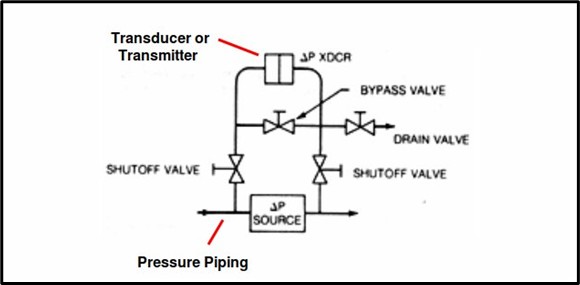
Proper valve arrangements let you install, remove, or service a transducer without shutting down your system, and without risking damage to the sensing element. Gauge Pressure Applications (PSIG) If you’re… Read More
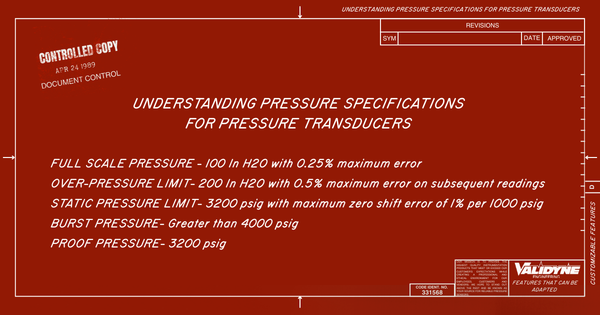
There are several specifications that are commonly used to describe pressure transducers to help the user determine if the transducer is suitable for a particular application. All of these relate… Read More
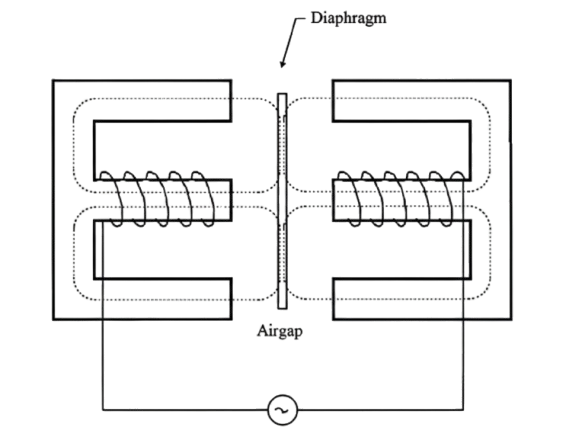
For more than five decades, Validyne Engineering has specialized in one core mission: providing extremely reliable, highly accurate differential pressure measurement for the harshest environments. At the center of this… Read More
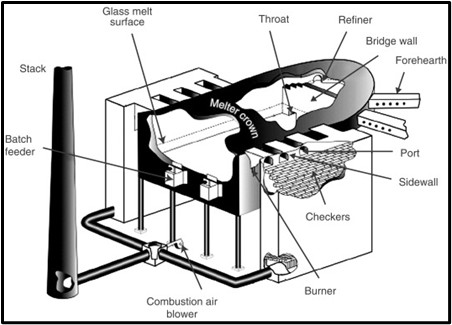
Why Draft Pressure Matters in Glass Furnaces Industrial glass production relies on massive furnaces designed for continuous, high temperature operation. Every year, millions of tons of glass are produced, including… Read More
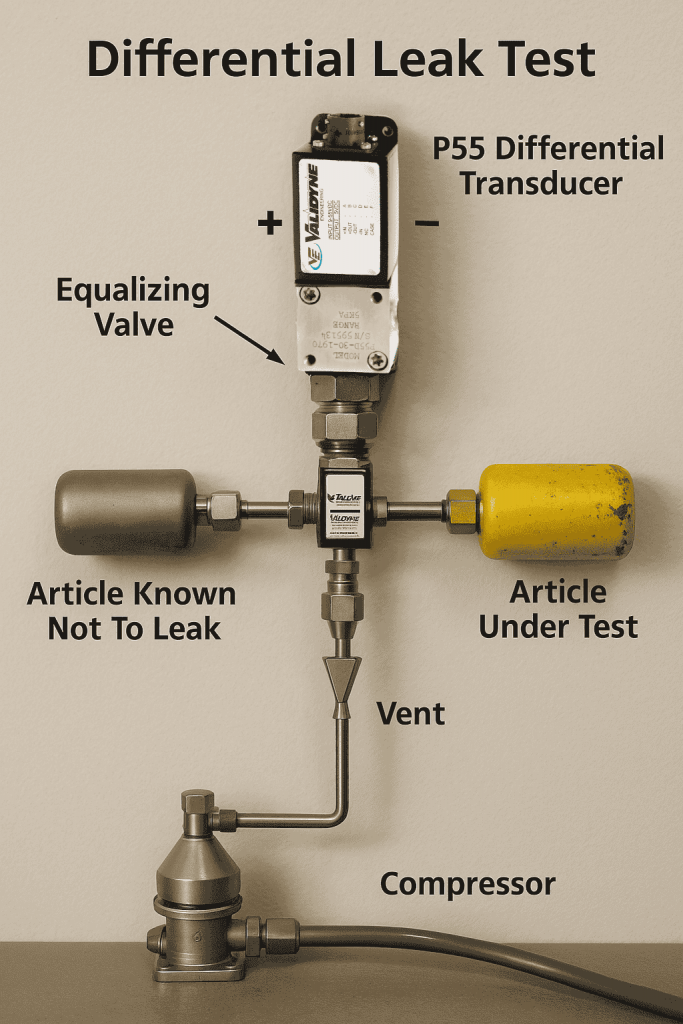
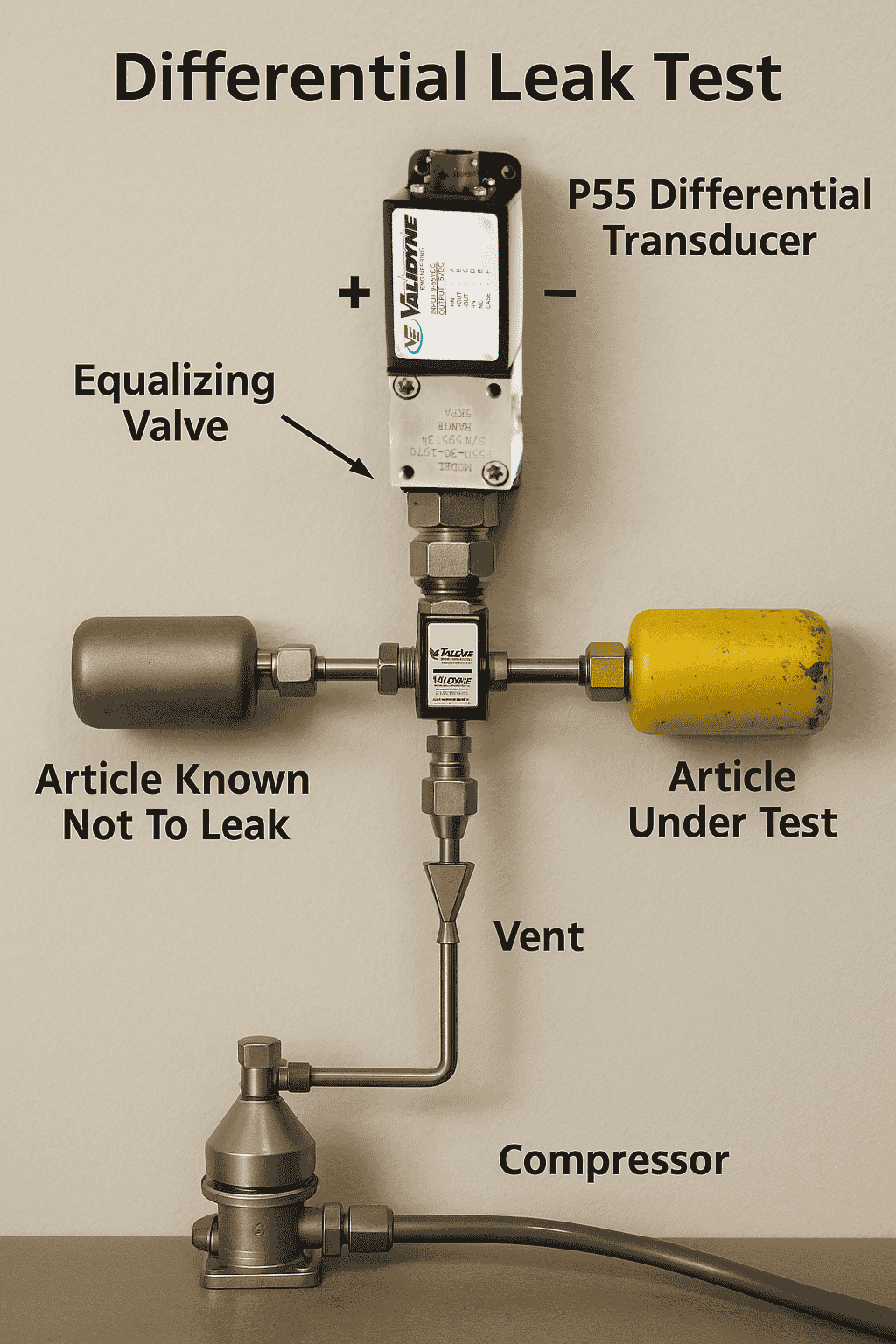
Ensuring Product Integrity, One Leak Test at a Time Leak testing remains a critical quality control step across industries—from automotive to aerospace to medical devices. The traditional method of pressurizing… Read More
We use cookies on our website to give you the most relevant experience by remembering your preferences and repeat visits. By clicking “Accept”, you consent to the use of ALL cookies on this site. Please review our privacy policy for more information.
This website uses cookies to improve your experience while you navigate through the website. Out of these, the cookies that are categorized as necessary are stored on your browser as they are essential for the working of basic functionalities of the website. We also use third-party cookies that help us analyze and understand how you use this website. These cookies will be stored in your browser only with your consent. You also have the option to opt-out of these cookies. But opting out of some of these cookies may affect your browsing experience.
Necessary cookies are absolutely essential for the website to function properly. This category only includes cookies that ensures basic functionalities and security features of the website. These cookies do not store any personal information.
Any cookies that may not be particularly necessary for the website to function and is used specifically to collect user personal data via analytics, ads, other embedded contents are termed as non-necessary cookies. It is mandatory to procure user consent prior to running these cookies on your website.