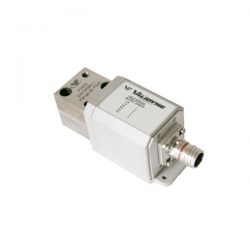
Aerospace, Pressure Measurement
Preventing Pressure Port Contamination – Best Practices for Long-Term Performance
Pressure port contamination is one of the most common — and preventable — causes of sensor failure. Dust, oil mist, particulates, biological debris, or corrosive materials entering the pressure ports can compromise the sensing diaphragm, clog ports, or cause inconsistent readings.
Validyne Variable Reluctance (VR) sensors are more resistant than most due to their robust metal construction, but even they require proper installation and maintenance.
This guide covers best practices to protect any differential pressure sensor.
- Keep Gas Pressure Lines Clean and Dry
- Contamination often originates upstream. Keep lines clear of:
- Condensation
- Oils
- Sludge
- Rust
- Particulates
- If using a system with possible condensation or moisture, install:
- Water traps
- Drip legs
- Coalescing filters
- Contamination often originates upstream. Keep lines clear of:
- Mount the Sensor Above the Process Line
- If the sensor is below the process piping, gravity pulls contaminants into the ports. Mount above the line to prevent natural backflow.
- Use Protective Snubbers and Screens
- Screens protect against:
- Particles
- Debris
- Biological matter
- Snubbers help reduce:
- Pulsation
- Pressure spikes
- Hydraulic hammer
- Screens protect against:
- Select the Correct Sensor Body Material
- Use proper alloy based on fluid:
- 316 SST → clean air, water, oil
- 410 SST → dry gases, mild environments requiring higher strength or hardness
- Inconel → high temperature, steam
- Hastelloy → corrosive gases or acids
- Use proper alloy based on fluid:
-
- Validyne can manufacture sensor bodies using custom materials for specialty fluids.
- Purge the System Regularly
-
- For dusty or wet environments, purge pressure lines periodically to remove buildup.
- Avoid Over-Tightening Fittings
-
- Crushing or distorting the port can cause leaks or sensing diaphragm stress.
- Contamination is one of the most preventable causes of poor pressure transducer performance. With protective hardware, proper mounting, and regular maintenance, Validyne VR sensors will continue to perform reliably even in dirty, high-load environments.
Protect Your Sensors From Day One
The right installation setup makes all the difference in long-term sensor performance. If you’re specifying a new system or troubleshooting an existing one, Validyne’s engineering team can recommend the correct sensor body material, protective hardware, and mounting configuration for your environment.
Talk to an engineer | Shop differential pressure sensors
Related posts
Aerospace, Oil & Gas
How to Choose a Differential Pressure Sensor for Industrial Gas and Steam Monitoring
Industrial gas and steam systems require precise pressure measurement to ensure safe, efficient operation. These environments are challenging due to high temperatures, vibration, condensation, and corrosive media. Selecting the right…
Aerospace, Data Acquisition
How to Integrate Validyne Pressure Sensors With NI, LabVIEW & Dewesoft
Many pressure measurement applications rely on software ecosystems like NI LabVIEW, NI DAQ hardware, or Dewesoft acquisition systems. Validyne VR sensors integrate seamlessly into these environments — but successful integration…
Aerospace
Pressure Measurement Challenges in Aerospace Engine Test Cells and How VR Sensors Solve Them
5 Major Pressure Measurement Challenges in Engine Test Cells 1. Extreme Vibration Engine startups, compressor stalls, and turbine harmonics generate intense shock loads that can push conventional sensors to their…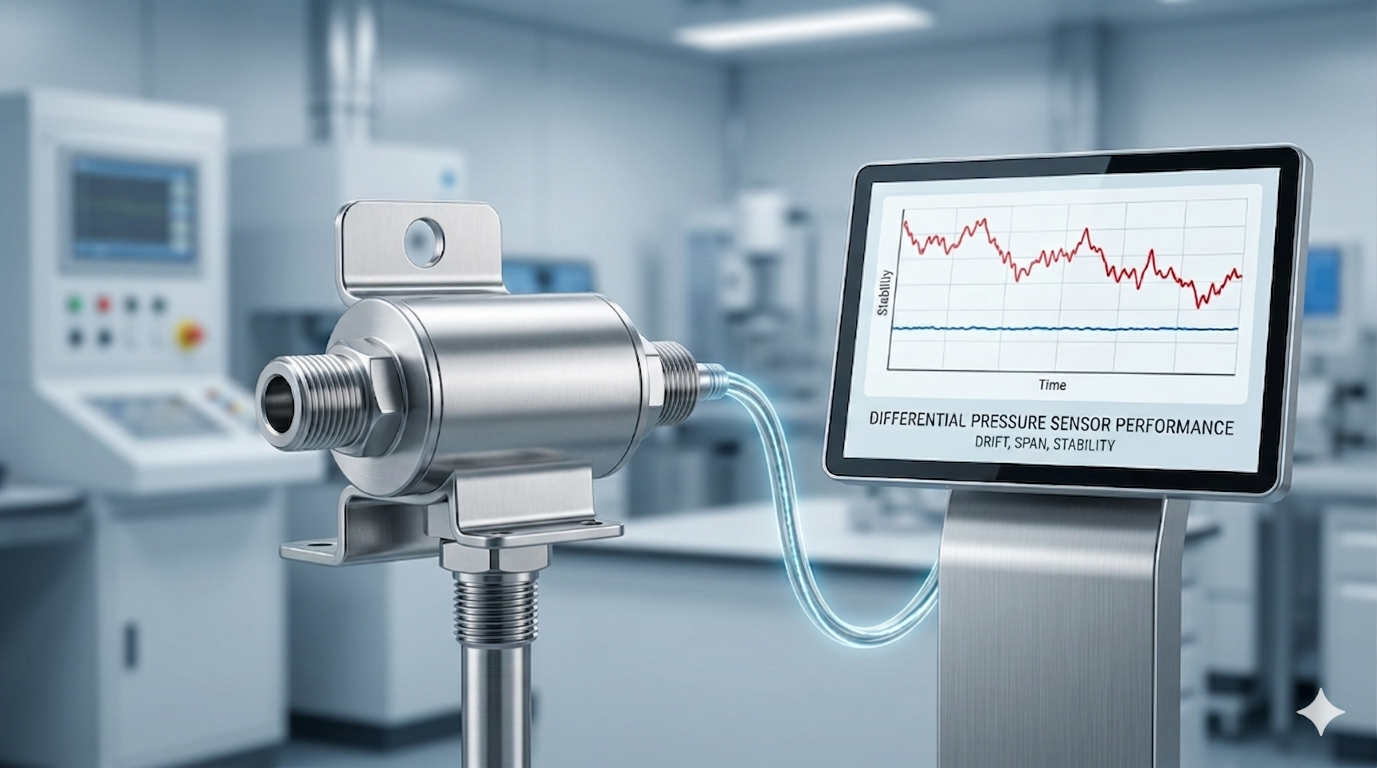
Aerospace, medical, Pressure Measurement
Understanding Zero Drift, Span Shift & Long-Term Stability and Differential Pressure Sensors
Pressure sensor accuracy isn’t determined only at the moment of calibration. Over days, weeks, or years, every pressure sensor experiences some degree of zero drift, span shift, and long-term stability…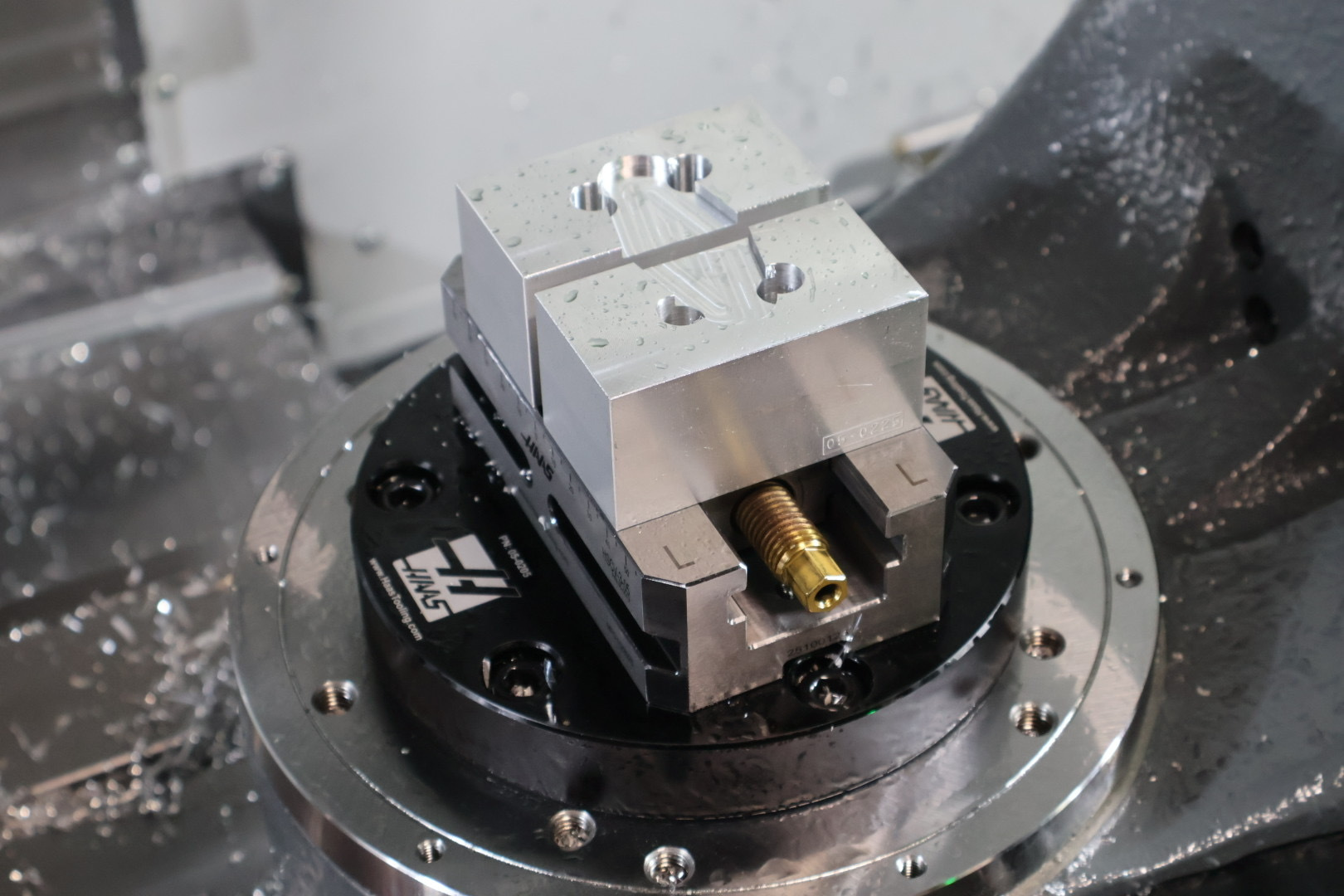
Aerospace, Automotive, Data Acquisition, Military, Oil & Gas, Pressure Measurement, University, Utility
Inside Validyne Manufacturing: How Precision Manufacturing Improves Sensor Quality and Lead Time
Why In-House Machining Makes the Difference One of Validyne’s biggest advantages, and one that most sensor companies cannot match, is that we machine almost every metal component of our sensors…Comments are closed