Aerospace
Pressure Measurement Challenges in Aerospace Engine Test Cells and How VR Sensors Solve Them
5 Major Pressure Measurement Challenges in Engine Test Cells
1. Extreme Vibration
Engine startups, compressor stalls, and turbine harmonics generate intense shock loads that can push conventional sensors to their limits. Strain-gauge sensors are especially vulnerable — bond layers can crack, sensing elements can delaminate, and signal output can drift under sustained vibration.
VR sensors use a solid steel diaphragm with inductive sensing and no bonded elements. With no internal linkages or lead wires to fail, they deliver exceptional vibration resistance where it matters most.
2. High Line Pressure with Low Differential Ranges
Test cells routinely demand differential measurements as fine as 0–1 psi full scale while simultaneously managing static line pressures of 500–3,000 psi. Under this combined load, strain gauges can deform and lose accuracy.
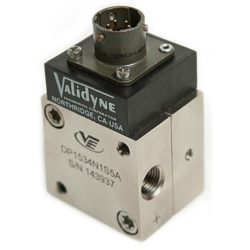
The Validyne DP360 and DP363 series handle full-scale differential ranges as low as 5 psid at line pressures up to 10,000 psig — with a maximum zero shift of just 3% FS.
3. Electromagnetic Interference
Actuators, generators, and turbine systems produce intense EMI that can corrupt sensor signals. Strain-gauge sensors with high-gain internal amplifiers are particularly susceptible, introducing noise that compromises measurement quality.
VR sensors use low-impedance AC-excited induction coils, making them naturally immune to EMI — no shielding workarounds required.
4. Wide Temperature Swings
Sensors in test cells face extreme conditions across the full operating cycle — cold startups, sustained high-temperature operation, and rapid pressure-temperature cycling. Bonded materials expand and contract at different rates, degrading adhesion and signal integrity over time.
Because the VR sensing element is a single piece of metal with no bonded materials, it handles thermal cycling without degradation.
5. Long-Term Continuous Operation
Test campaigns can run for days or weeks without interruption. Any sensor that drifts, degrades, or requires recalibration mid-test introduces risk and cost.
With only a metal diaphragm as the moving part — no linkages, no bonded strain gauges — VR sensors maintain signal stability over extended operation, run after run.
Where VR Sensors Are Used in Test Cells
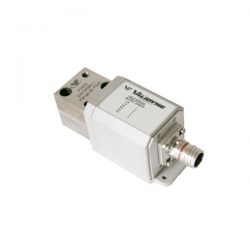
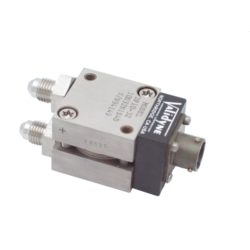
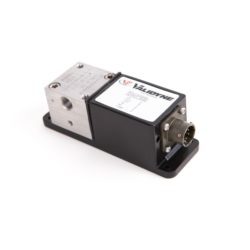
Validyne VR sensors are deployed across every major measurement point in propulsion test environments: compressor inlet pressure, combustor differential pressure, fuel pressure differential, turbine stage pressure studies, exhaust backpressure, and flow measurement with orifice plates.
Custom porting, exotic alloys, and specialized diaphragm configurations mean sensors can be matched precisely to the application — not the other way around.
Why Test Cell Engineers Choose Validyne
VR technology was built for environments where sensor failure isn’t an option. The result is a platform that delivers across every critical dimension: low differential pressure measurements at high static line pressures, vibration tolerance, EMI immunity, long-term signal stability, and custom engineering support.
When precise measurements are mission-critical, VR technology is the gold standard.
Ready to solve your test cell measurement challenges?
Talk to a Validyne engineer about the right VR sensor configuration for your application — whether you’re managing extreme line pressures, harsh vibration environments, or need a fully custom solution. [Contact us today →]
Related posts

Aerospace, Pressure Measurement
Preventing Pressure Port Contamination – Best Practices for Long-Term Performance
Pressure port contamination is one of the most common — and preventable — causes of sensor failure. Dust, oil mist, particulates, biological debris, or corrosive materials entering the pressure ports…
Aerospace, Oil & Gas
How to Choose a Differential Pressure Sensor for Industrial Gas and Steam Monitoring
Industrial gas and steam systems require precise pressure measurement to ensure safe, efficient operation. These environments are challenging due to high temperatures, vibration, condensation, and corrosive media. Selecting the right…
Aerospace, Data Acquisition
How to Integrate Validyne Pressure Sensors With NI, LabVIEW & Dewesoft
Many pressure measurement applications rely on software ecosystems like NI LabVIEW, NI DAQ hardware, or Dewesoft acquisition systems. Validyne VR sensors integrate seamlessly into these environments — but successful integration…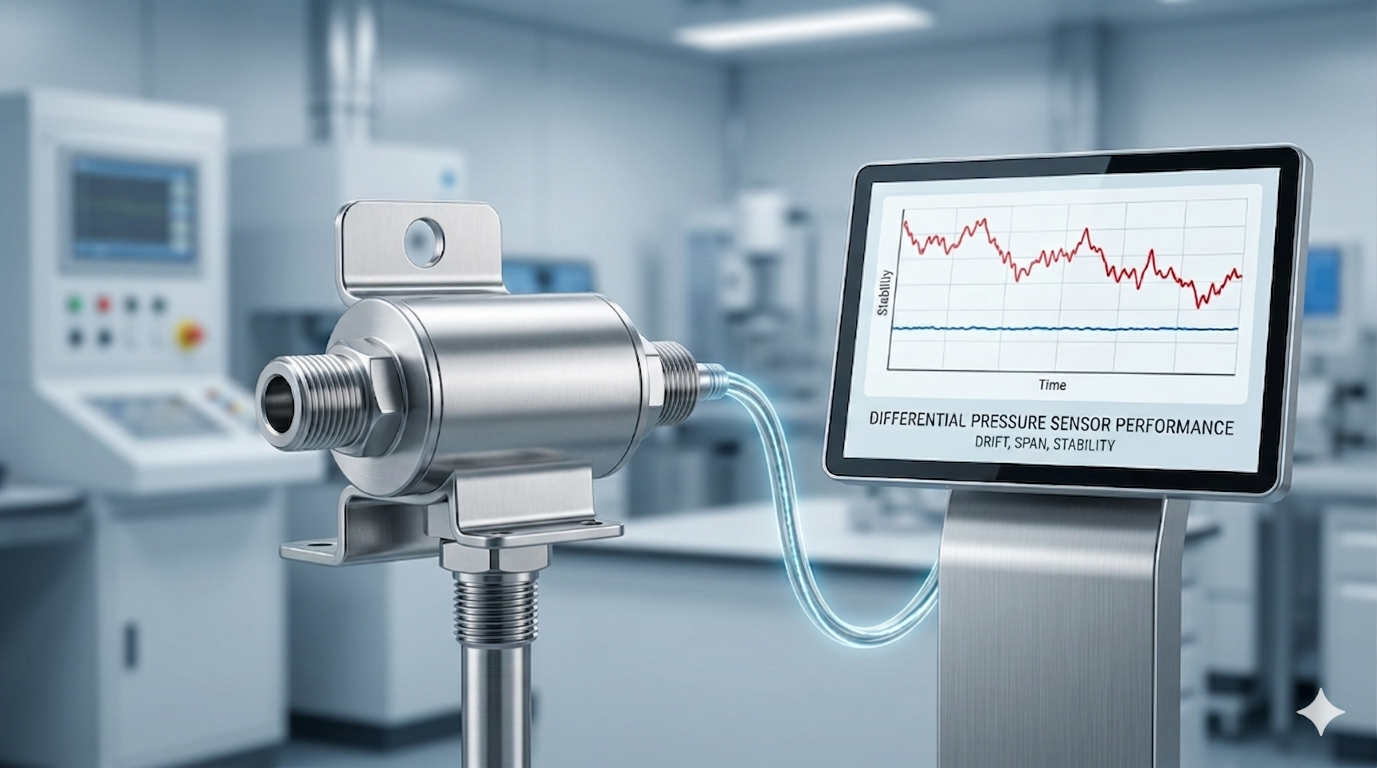
Aerospace, medical, Pressure Measurement
Understanding Zero Drift, Span Shift & Long-Term Stability and Differential Pressure Sensors
Pressure sensor accuracy isn’t determined only at the moment of calibration. Over days, weeks, or years, every pressure sensor experiences some degree of zero drift, span shift, and long-term stability…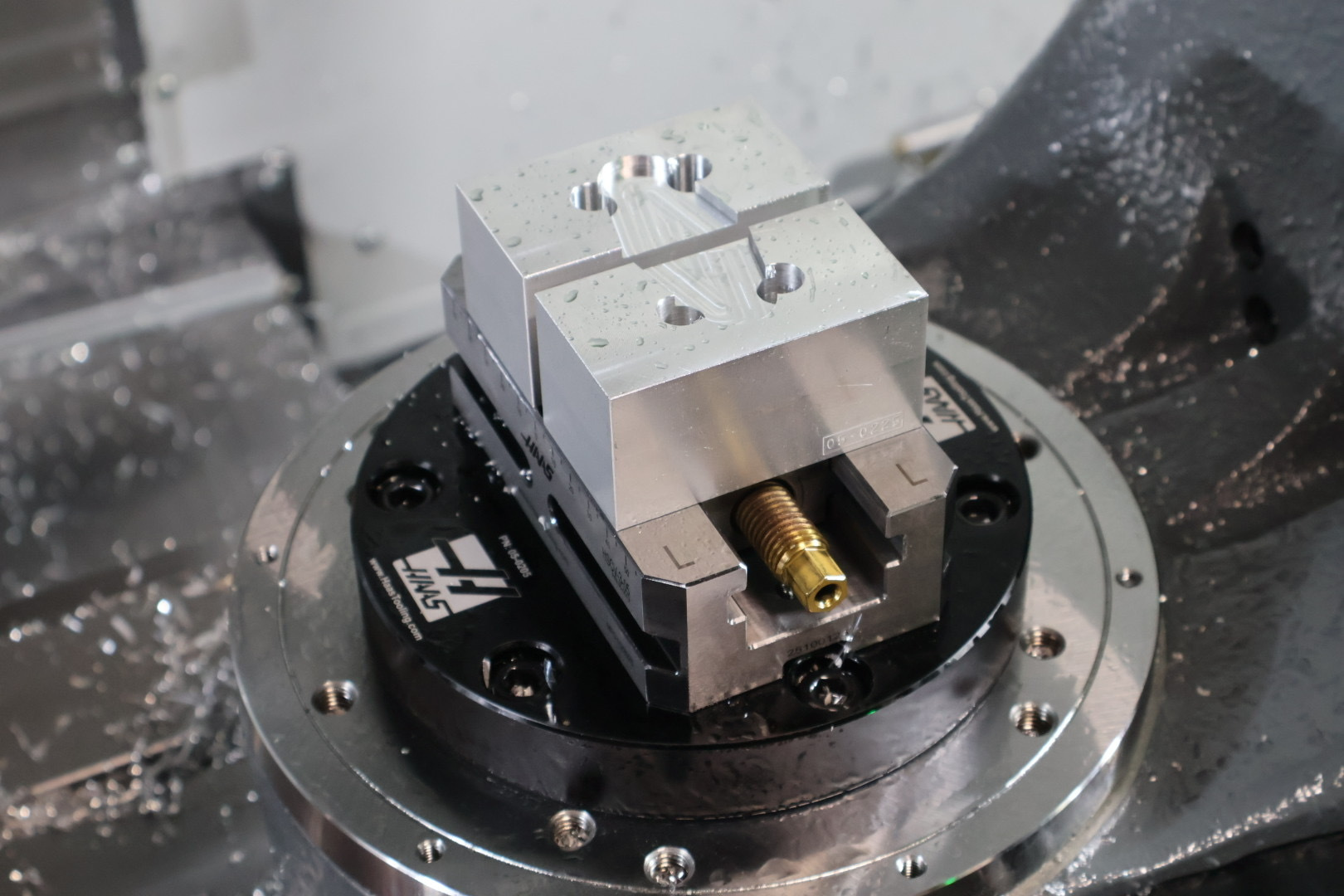
Aerospace, Automotive, Data Acquisition, Military, Oil & Gas, Pressure Measurement, University, Utility
Inside Validyne Manufacturing: How Precision Manufacturing Improves Sensor Quality and Lead Time
Why In-House Machining Makes the Difference One of Validyne’s biggest advantages, and one that most sensor companies cannot match, is that we machine almost every metal component of our sensors…Comments are closed