Aerospace, medical, Pressure Measurement
Understanding Zero Drift, Span Shift & Long-Term Stability and Differential Pressure Sensors
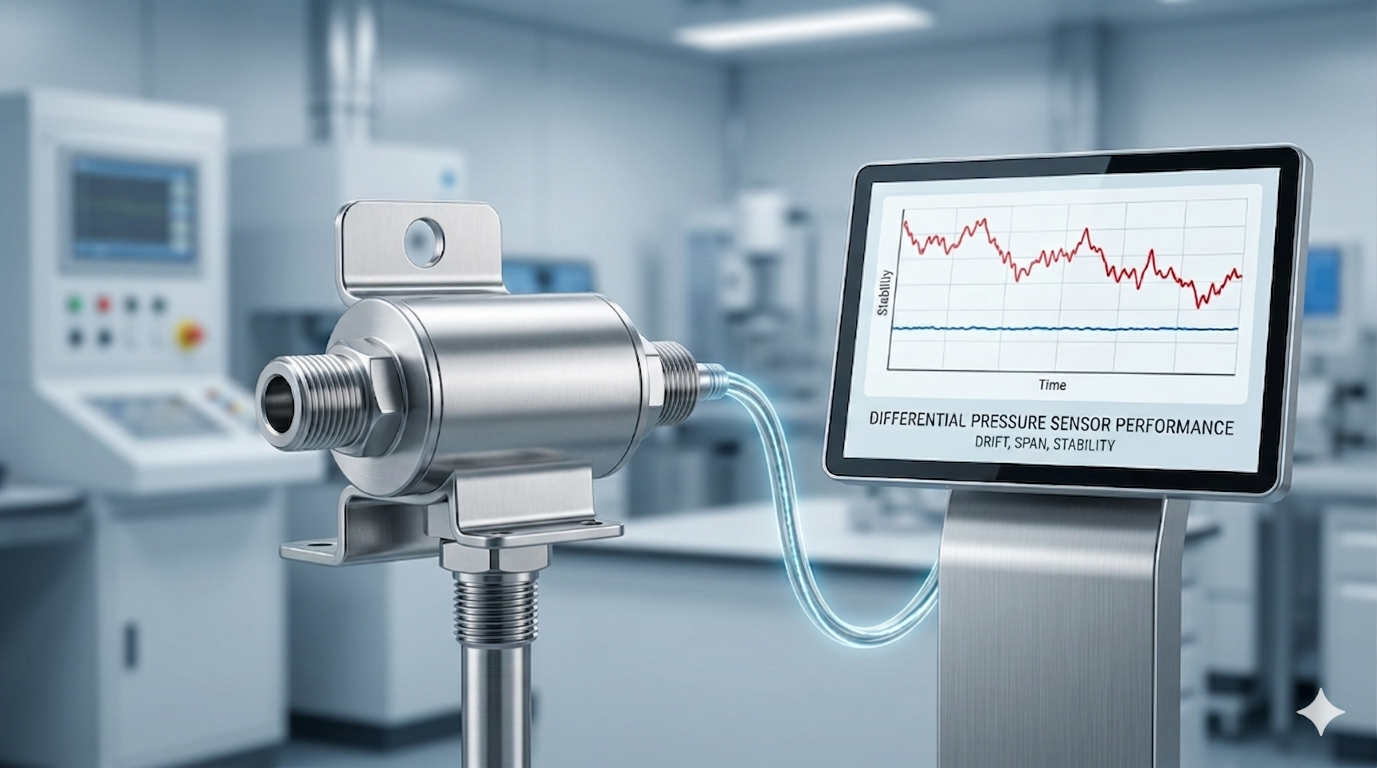
Pressure sensor accuracy isn’t determined only at the moment of calibration. Over days, weeks, or years, every pressure sensor experiences some degree of zero drift, span shift, and long-term stability changes, and the magnitude varies significantly depending on sensing principle and construction.
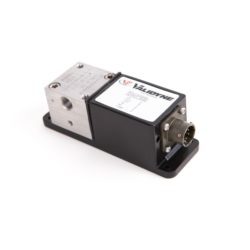
Validyne’s variable reluctance (VR) technology is inherently resistant to long-term drift because it relies on a solid metal diaphragm and an inductive circuit to sense pressure, rather than bonded strain gauge elements that can degrade over time.
This article explains what drift is, why it happens, how to minimize it, and why VR sensors excel in applications that demand stable, long-term performance.
1. What Is Zero Drift?
Zero drift occurs when a sensor’s output signal changes at zero applied differential pressure — in other words, the sensor reports a pressure change when none has occurred.
Causes of Zero Drift
- Mechanical stress from temperature changes
- Mechanical creep in bonded materials
- Hysteresis in strain gauge substrates
- Vibration and shock
- Residual stress in the diaphragm
Why VR Sensors Drift Less
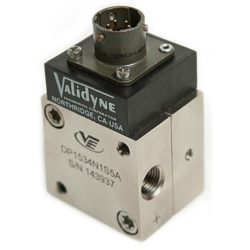
VR sensors use a single-piece stainless steel diaphragm as the only moving part. Across its full pressure range, the diaphragm deflects only a few thousandths of an inch, and its position is sensed inductively — no mechanical linkages required. There are no epoxies, bonding agents, or elastic substrates that can deform or age. The result is extremely low zero shift, even after extended pressure cycling or exposure to harsh conditions.
2. What Is Span Shift?
Span shift refers to a change in a sensor’s output sensitivity — its gain — over time.
Example: A strain gauge sensor that originally outputs 50 mV at full scale might later output only 48 mV.
Causes of Span Shift in Strain Gauge Sensors
- Changes in strain gauge element resistance over time
- Temperature effects on strain gauge resistance
- Electronic component aging
- Mechanical wear on sensing element linkages
Why VR Sensors Hold Span Better
Because the sensing diaphragm is the only moving part, deflection is highly repeatable, and the inductive sensing circuit remains stable over time. VR sensors tend to hold their span better than strain gauge devices, especially in:
- High-line pressure / low differential pressure applications
- High-cycle applications
- High-vibration environments
3. Long-Term Stability: The Metric That Matters Most
Long-term stability reflects the cumulative effect of mechanical, thermal, and electrical drift over the life of a sensor.
Strain gauge sensors can drift significantly over years due to:
- Epoxy aging
- Strain gauge foil fatigue
- Cracking of protective layers
- Thermal cycling stress
VR sensors avoid these failure modes entirely.
How to Minimize Drift in Any Pressure Measurement System
1. Avoid unnecessary temperature cycling. Thermal shock is one of the primary contributors to drift in any sensor technology.
2. Use a proper signal conditioner. Validyne’s CD Series conditioners provide stable AC excitation and precision carrier demodulation. Because VR sensors typically produce five times the output signal of strain gauge-based sensors, less downstream gain is required, which means less amplification of any residual noise or drift.
3. Mount the sensor securely to avoid mechanical stress. Stress on the sensor housing can cause zero shift and amplify temperature effects.
4. Verify calibration regularly in demanding applications. All pressure sensors benefit from routine calibration checks, particularly in safety-critical or high-precision systems.
Drift is inevitable in any pressure measurement system, but how much drift, and how quickly it accumulates, depends almost entirely on the technology inside the sensor. VR sensors don’t eliminate physics, but their all-metal construction and inductive sensing principle remove most of the failure modes that cause other sensors to lose accuracy over time. For applications where recalibration is costly, inconvenient, or simply not an option, that difference matters.
Ready to specify a sensor built for long-term stability? Explore Validyne’s differential pressure sensors → or contact our engineering team to discuss your application.
Related posts

Aerospace, Pressure Measurement
Preventing Pressure Port Contamination – Best Practices for Long-Term Performance
Pressure port contamination is one of the most common — and preventable — causes of sensor failure. Dust, oil mist, particulates, biological debris, or corrosive materials entering the pressure ports…
Aerospace, Oil & Gas
How to Choose a Differential Pressure Sensor for Industrial Gas and Steam Monitoring
Industrial gas and steam systems require precise pressure measurement to ensure safe, efficient operation. These environments are challenging due to high temperatures, vibration, condensation, and corrosive media. Selecting the right…
Aerospace, Data Acquisition
How to Integrate Validyne Pressure Sensors With NI, LabVIEW & Dewesoft
Many pressure measurement applications rely on software ecosystems like NI LabVIEW, NI DAQ hardware, or Dewesoft acquisition systems. Validyne VR sensors integrate seamlessly into these environments — but successful integration…
Aerospace
Pressure Measurement Challenges in Aerospace Engine Test Cells and How VR Sensors Solve Them
5 Major Pressure Measurement Challenges in Engine Test Cells 1. Extreme Vibration Engine startups, compressor stalls, and turbine harmonics generate intense shock loads that can push conventional sensors to their…
medical
Differential Pressure Sensors for Respiratory and Ventilation Measurements
Respiratory equipment demands some of the most precise, stable, and low-range pressure sensing in any field of instrumentation. Ventilators, spirometers, and pulmonary diagnostic instruments all rely on accurate differential pressure…Comments are closed