Aerospace, Oil & Gas
How to Choose a Differential Pressure Sensor for Industrial Gas and Steam Monitoring
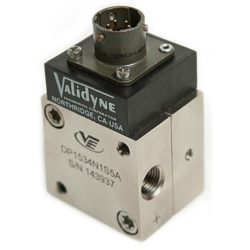
Industrial gas and steam systems require precise pressure measurement to ensure safe, efficient operation. These environments are challenging due to high temperatures, vibration, condensation, and corrosive media. Selecting the right differential pressure sensor is critical.
Here’s how to choose the proper pressure sensor — and why many engineers turn to Validyne’s variable reluctance (VR) technology for long-term reliability.
Step 1: Determine Line Pressure and Differential Pressure Range
Gas and steam systems often operate with:
- Line pressures: 50 psi to 2,000 psi
- Differential pressures: 0.5 to 100 psi
High-line, low-differential measurement is difficult for strain-gauge sensors. VR technology is inherently more sensitive.
VR Advantage
VR diaphragms are manufactured to a precise thickness for each individual pressure range, enabling accurate differential pressure measurement even with high line pressure.
Step 2: Consider Temperature & Moisture Effects
Steam systems are especially harsh due to:
- Condensation
- Corrosion inhibiting chemicals
- Superheated steam
- Thermal cycling
Electronics and bonded gauges may drift significantly under these conditions.
VR Advantage
A VR sensor’s metal diaphragm experiences predictable thermal behavior without drift caused by bonded materials. Each Validyne pressure sensor is cycled through wide temperature variations and verified for accuracy
Step 3: Select the Right Material
Media compatibility matters:
- Wet gas → stainless steel
- High-temperature steam → 316 SST
- Corrosive gases → Hastelloy
Validyne’s Material Range
Validyne manufactures pressure sensor bodies in-house using:
- 316
- 410 SST
- 17-7 PH
- Hastelloy
- Inconel
- Custom request alloys
Step 4: Choose the Correct Signal Conditioner
Industrial systems often prefer:
- 4–20 mA loops
- ±10 V analog signals
- Digital readouts
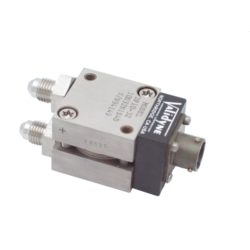
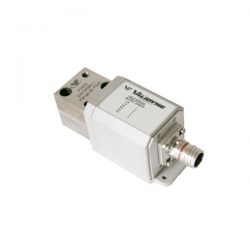
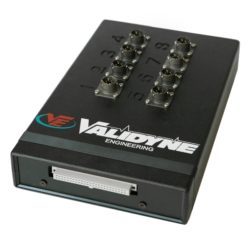
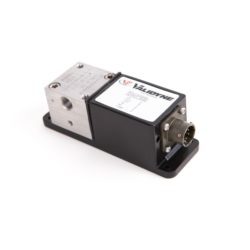
Validyne transmitters and sensor CD-Series conditioners support all of these signal types.
Industrial gas and steam environments demand durable, stable differential pressure sensing. Validyne VR sensors outperform traditional strain-gauge devices thanks to their solid metal diaphragms, temperature resilience, and high-line differential capability.
Ready to Specify the Right Sensor for Your Application?
Validyne engineers are available to help you match the correct diaphragm range, housing material, and signal conditioner to your system’s exact requirements. Whether you’re working with superheated steam, corrosive gas media, or high-line pressure environments, we’ll make sure you get it right the first time.
Contact our engineering team | Browse differential pressure sensors
Related posts

Aerospace, Pressure Measurement
Preventing Pressure Port Contamination – Best Practices for Long-Term Performance
Pressure port contamination is one of the most common — and preventable — causes of sensor failure. Dust, oil mist, particulates, biological debris, or corrosive materials entering the pressure ports…
Aerospace, Data Acquisition
How to Integrate Validyne Pressure Sensors With NI, LabVIEW & Dewesoft
Many pressure measurement applications rely on software ecosystems like NI LabVIEW, NI DAQ hardware, or Dewesoft acquisition systems. Validyne VR sensors integrate seamlessly into these environments — but successful integration…
Aerospace
Pressure Measurement Challenges in Aerospace Engine Test Cells and How VR Sensors Solve Them
5 Major Pressure Measurement Challenges in Engine Test Cells 1. Extreme Vibration Engine startups, compressor stalls, and turbine harmonics generate intense shock loads that can push conventional sensors to their…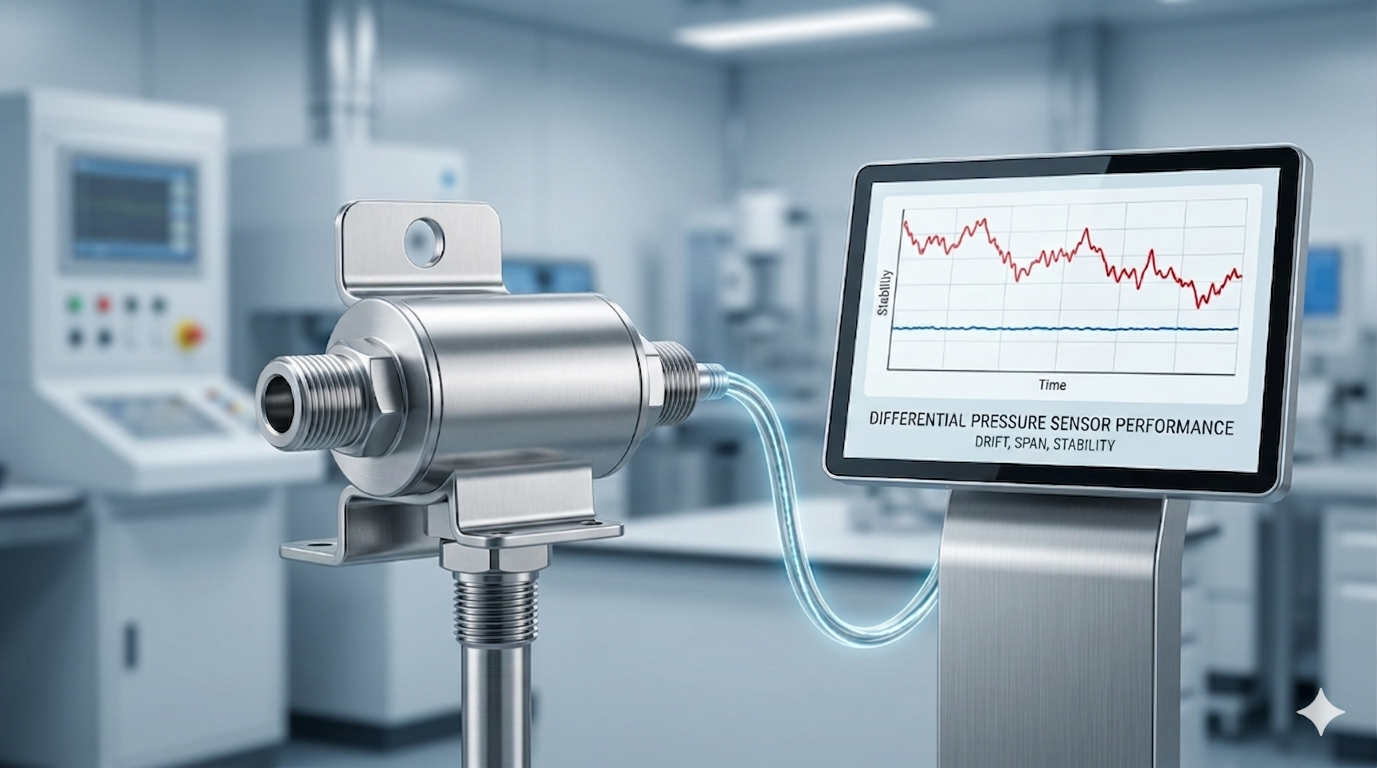
Aerospace, medical, Pressure Measurement
Understanding Zero Drift, Span Shift & Long-Term Stability and Differential Pressure Sensors
Pressure sensor accuracy isn’t determined only at the moment of calibration. Over days, weeks, or years, every pressure sensor experiences some degree of zero drift, span shift, and long-term stability…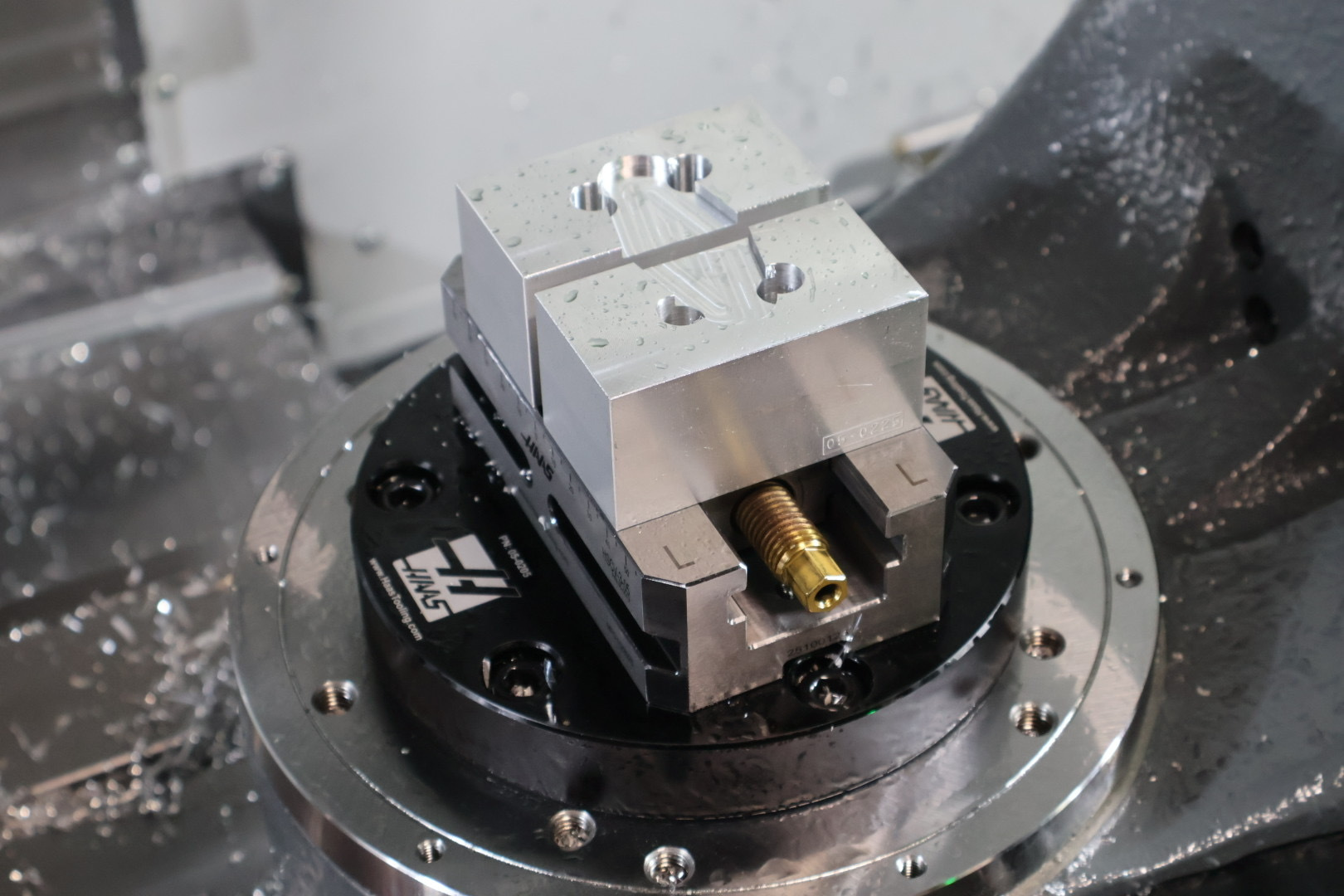
Aerospace, Automotive, Data Acquisition, Military, Oil & Gas, Pressure Measurement, University, Utility
Inside Validyne Manufacturing: How Precision Manufacturing Improves Sensor Quality and Lead Time
Why In-House Machining Makes the Difference One of Validyne’s biggest advantages, and one that most sensor companies cannot match, is that we machine almost every metal component of our sensors…Comments are closed