Fluid Isolation in Pressure Transducers for Corrosion Protection
When the chemicals present in a fluid are very aggressive, and the pressure transducer is not available in materials sufficiently resistant to corrosion, it is often possible to mitigate these conditions with a fluid isolation system. This system can be created from easily available parts and help to achieve a useful service life where rapid damage of the pressure transducer would otherwise occur due to the corrosive fluids.
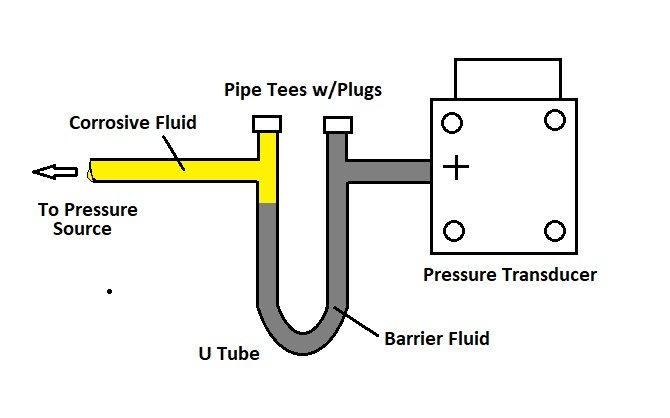
The concept is simple: create a liquid barrier to the corrosive fluid in the tubing leading into the transducer pressure ports. The barrier fluid can be captured in a U tube placed just before the transducer inlet so that it is trapped in place. The barrier fluid transmits the hydraulic pressure to the transducer, but because there is no flow, it acts as a buffer against the corrosive liquids in the rest of the system.
There are a few considerations to keep in mind. The barrier fluid must be compatible with the fluid in the rest of the system or it will represent an undesirable contaminate. The barrier fluid must also be stable and inert so that it does not represent a corrosive threat to the transducer. A thick, viscous mineral oil is often used in systems where brine is present – this will tend to stay in place inside the U tube and is compatible with both the transducer and other fluids in the system. The selection of the best barrier fluid is often a process of experimentation and some knowledge of how it will affect the rest of the system is critical.
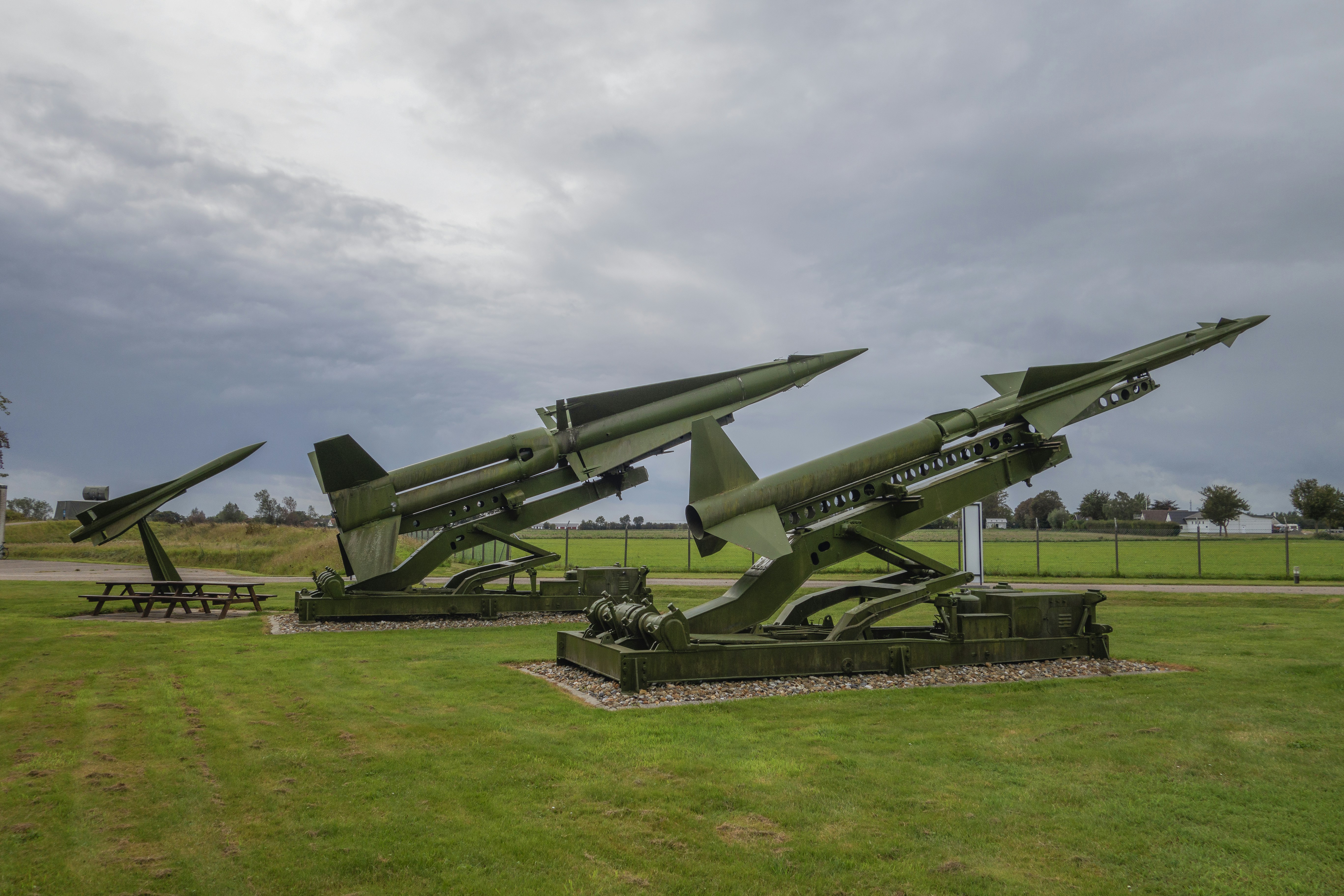
Missile systems demand extreme reliability under violent launch conditions: rapid thermal changes, shock and high acceleration. Pressure sensors play a vital role in missile guidance, propulsion, and environmental control. Validyne…
Pressure port contamination is one of the most common — and preventable — causes of sensor failure. Dust, oil mist, particulates, biological debris, or corrosive materials entering the pressure ports…
Industrial gas and steam systems require precise pressure measurement to ensure safe, efficient operation. These environments are challenging due to high temperatures, vibration, condensation, and corrosive media. Selecting the right…
Many pressure measurement applications rely on software ecosystems like NI LabVIEW, NI DAQ hardware, or Dewesoft acquisition systems. Validyne VR sensors integrate seamlessly into these environments — but successful integration…
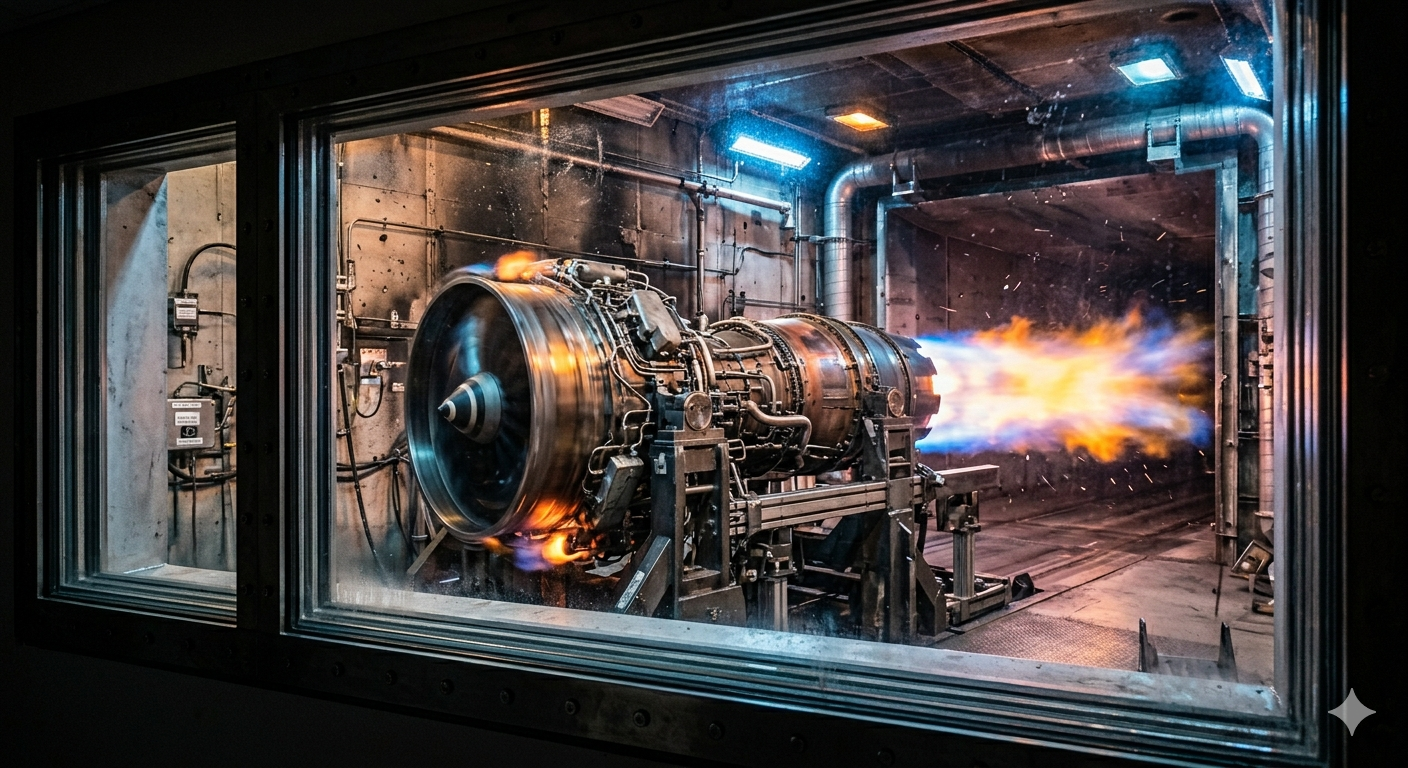
5 Major Pressure Measurement Challenges in Engine Test Cells 1. Extreme Vibration Engine startups, compressor stalls, and turbine harmonics generate intense shock loads that can push conventional sensors to their…
We use cookies on our website to give you the most relevant experience by remembering your preferences and repeat visits. By clicking “Accept”, you consent to the use of ALL cookies on this site. Please review our privacy policy for more information.
This website uses cookies to improve your experience while you navigate through the website. Out of these, the cookies that are categorized as necessary are stored on your browser as they are essential for the working of basic functionalities of the website. We also use third-party cookies that help us analyze and understand how you use this website. These cookies will be stored in your browser only with your consent. You also have the option to opt-out of these cookies. But opting out of some of these cookies may affect your browsing experience.
Necessary cookies are absolutely essential for the website to function properly. This category only includes cookies that ensures basic functionalities and security features of the website. These cookies do not store any personal information.
Any cookies that may not be particularly necessary for the website to function and is used specifically to collect user personal data via analytics, ads, other embedded contents are termed as non-necessary cookies. It is mandatory to procure user consent prior to running these cookies on your website.



Leave a reply
You must be logged in to post a comment.