Aerospace
Pressure Transducer Used in Aerostats
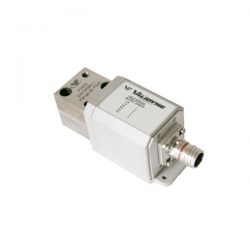
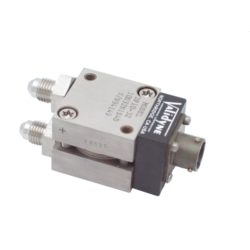
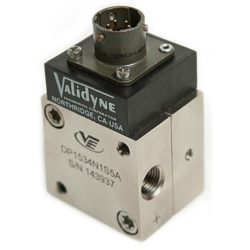
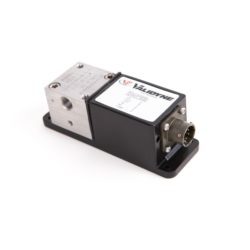
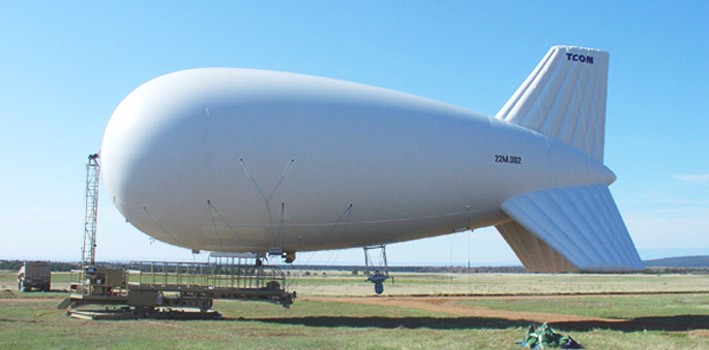
The Validyne P55 pressure transducer is a critical component employed by a major manufacturer of aerostat lifting systems to precisely measure the helium pressure within the massive gas bag. Aerostats are essentially large, tethered, helium-filled balloons – technologically advanced successors to the barrage balloons of WWII. Their primary modern function is to serve as a stable, elevated platform for quickly deploying sophisticated radar and surveillance systems to remote, often austere, locations. By lifting these radar antennas several hundred or even thousands of feet into the air, the aerostat drastically increases the radar’s line-of-sight, thereby extending its operational range over hundreds of miles. This capability is invaluable for persistent surveillance; aerostat radars are routinely tasked with monitoring air traffic in vast, remote areas for critical missions such as interdicting drug trafficking routes or tracking potential enemy air movements.
A key feature of these systems is their remarkable endurance. Designed for persistent operation, aerostats can remain on station, continuously aloft, for weeks at a time without needing to be brought down. This demanding operational environment necessitates exceptionally reliable and durable instrumentation. The Validyne P55 pressure transducer is ideally suited for this rigorous application for several key reasons. First and foremost, it provides highly accurate measurement of the relatively low differential helium pressures inside the balloon envelope, which is essential for monitoring envelope integrity and overall health. Furthermore, the P55 is designed with low power consumption, a critical factor for systems that often rely on limited generator or solar power at remote ground stations. Its compact size and lightweight construction prevent it from adding significant weight aloft, while its robust, hermetically sealed housing and stainless steel construction make it resistant to the humidity, temperature swings, and vibration inherent in long-term field operations, ensuring dependable performance throughout the mission.
Related posts

Aerospace, Pressure Measurement
Preventing Pressure Port Contamination – Best Practices for Long-Term Performance
Pressure port contamination is one of the most common — and preventable — causes of sensor failure. Dust, oil mist, particulates, biological debris, or corrosive materials entering the pressure ports…
Aerospace, Oil & Gas
How to Choose a Differential Pressure Sensor for Industrial Gas and Steam Monitoring
Industrial gas and steam systems require precise pressure measurement to ensure safe, efficient operation. These environments are challenging due to high temperatures, vibration, condensation, and corrosive media. Selecting the right…
Aerospace, Data Acquisition
How to Integrate Validyne Pressure Sensors With NI, LabVIEW & Dewesoft
Many pressure measurement applications rely on software ecosystems like NI LabVIEW, NI DAQ hardware, or Dewesoft acquisition systems. Validyne VR sensors integrate seamlessly into these environments — but successful integration…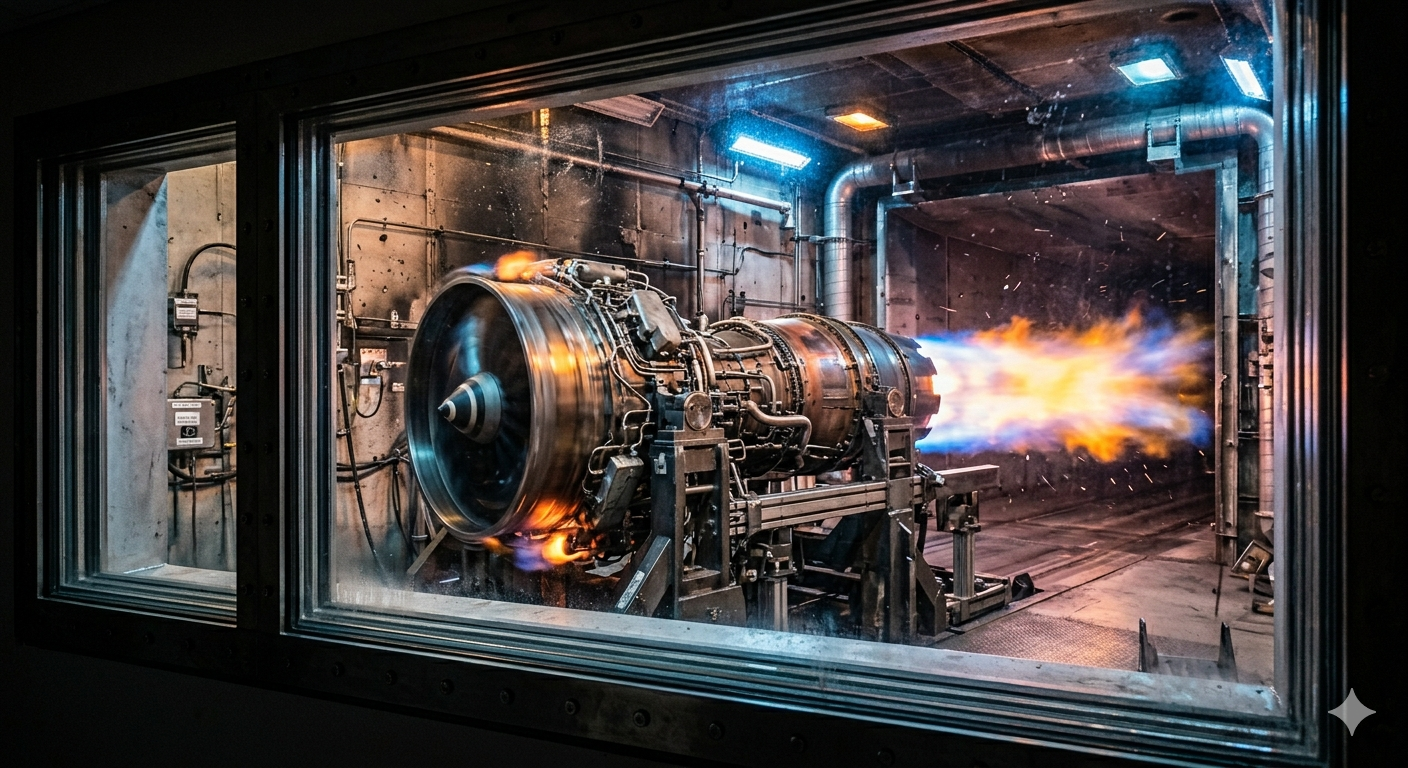
Aerospace
Pressure Measurement Challenges in Aerospace Engine Test Cells and How VR Sensors Solve Them
5 Major Pressure Measurement Challenges in Engine Test Cells 1. Extreme Vibration Engine startups, compressor stalls, and turbine harmonics generate intense shock loads that can push conventional sensors to their…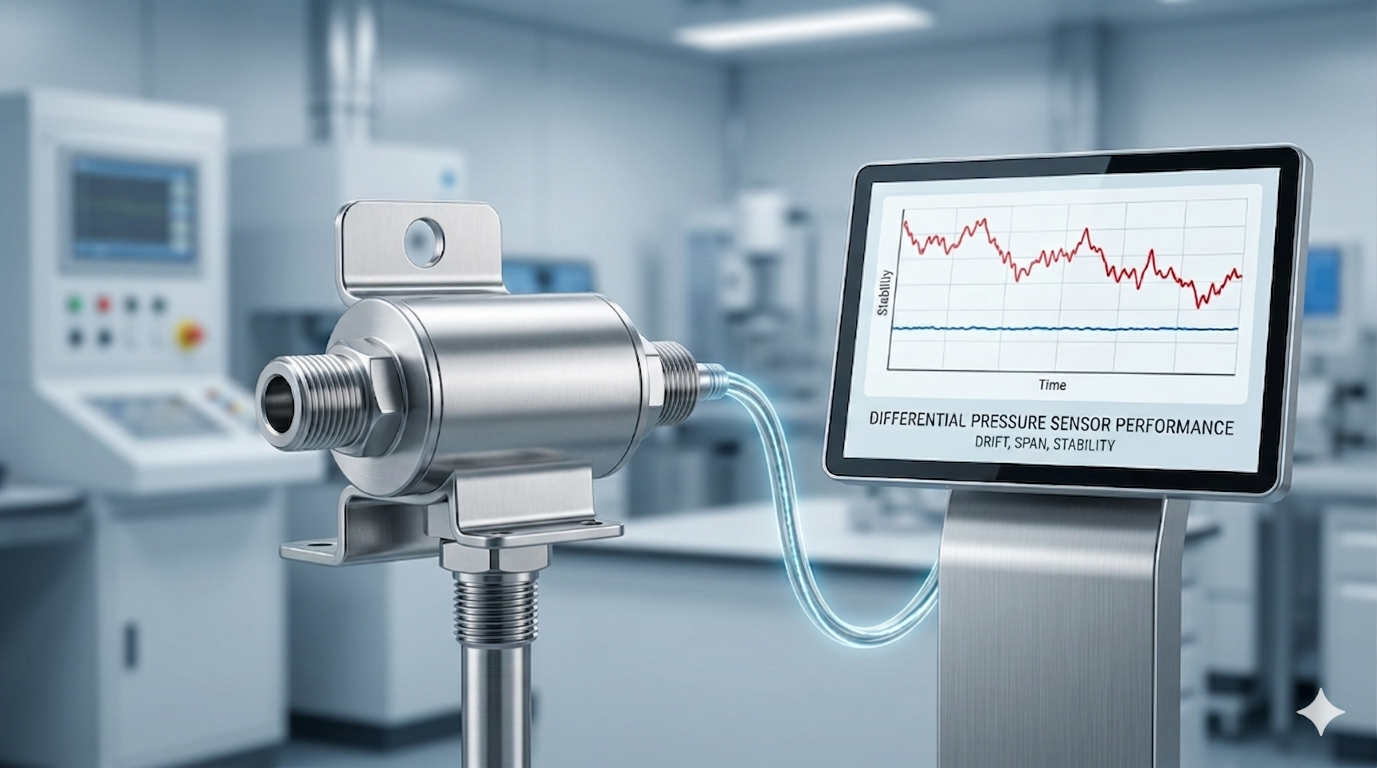
Aerospace, medical, Pressure Measurement
Understanding Zero Drift, Span Shift & Long-Term Stability and Differential Pressure Sensors
Pressure sensor accuracy isn’t determined only at the moment of calibration. Over days, weeks, or years, every pressure sensor experiences some degree of zero drift, span shift, and long-term stability…Comments are closed