medical
Measuring Pressure Drops Across Protective Mask
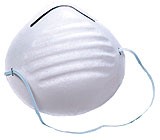
Face masks serve as a crucial first line of defense against the spread of infectious agents and harmful airborne particles. Whether in healthcare settings, industrial environments, or for public health, a mask’s primary function is to create an effective barrier. However, a truly effective mask must achieve a delicate balance: its material must be woven tightly enough to filter and trap dangerous microscopic particles, while simultaneously maintaining a low enough resistance to airflow so that the wearer’s breathing effort remains comfortable and normal. A mask that is difficult to breathe through may not be worn correctly or consistently, negating its protective benefits.
This balance is quantitatively measured by assessing the pressure drop across the mask material. Also known as breathing resistance, this metric is the difference in air pressure between the outside environment and the air pocket inside the mask. A high pressure drop indicates high flow resistance, leading to wearer fatigue. For most protective masks, from N95 respirators to surgical masks, this critical pressure drop is exceptionally low, typically measuring just a few millimeters of water column (mm H₂O). Accurately capturing this minute differential pressure requires highly sensitive and precise instrumentation.
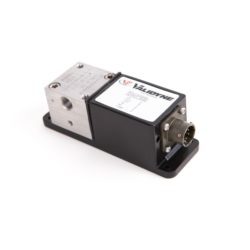
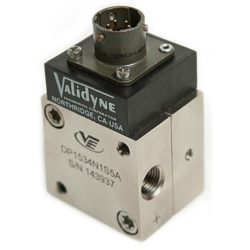
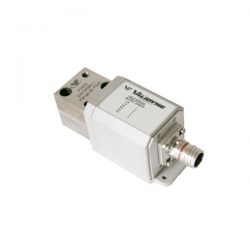
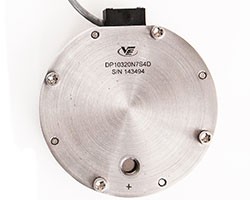
The Validyne DP103 differential pressure transducer is specifically engineered for such low-pressure applications. It is available in full-scale pressure ranges as low as 3.5 mm H₂O, making it an ideal tool for respiratory testing. In a recent application, the DP103 was employed to validate the performance of next-generation prototype face masks. The measured pressure drops across these new designs were on the order of 5 to 10 mm H₂O, well within the sensitive range of the transducer.
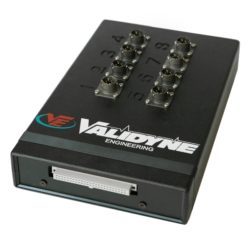
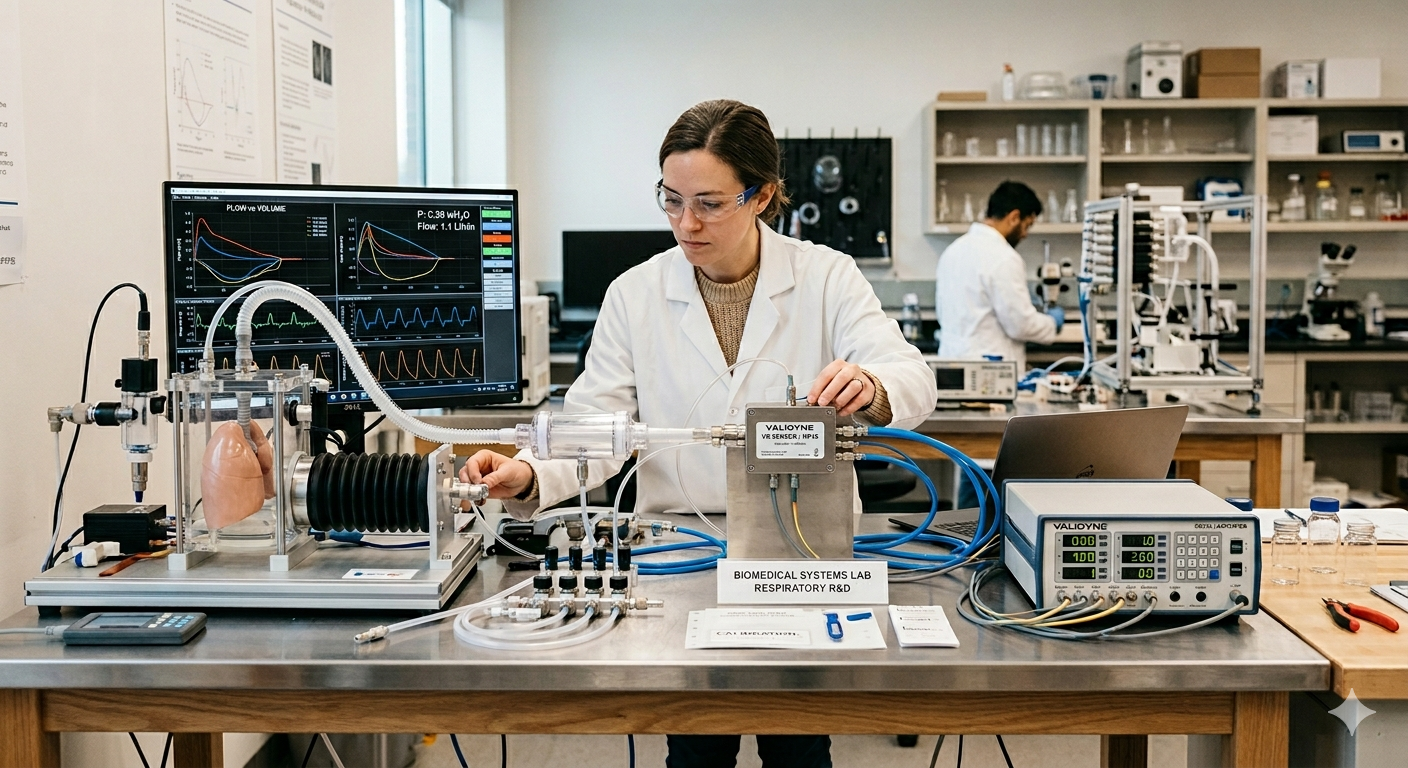
The testing protocol required more than a single snapshot measurement. To thoroughly characterize the masks, pressure drop needed to be recorded and analyzed at various, controlled airflow rates that simulate different breathing conditions—from resting respiration to heavy exertion. This necessitated a comprehensive PC-based data acquisition system. The analog output from the DP103 was connected to this system, allowing engineers to log real-time data, graph the relationship between flow rate and pressure drop, and precisely compare the performance of various prototypes against industry standards. The high accuracy and stability of the DP103 ensured that the data collected was reliable, enabling manufacturers to make critical design decisions that optimize both protection and comfort.
Related posts
medical
Differential Pressure Sensors for Respiratory and Ventilation Measurements
Respiratory equipment demands some of the most precise, stable, and low-range pressure sensing in any field of instrumentation. Ventilators, spirometers, and pulmonary diagnostic instruments all rely on accurate differential pressure…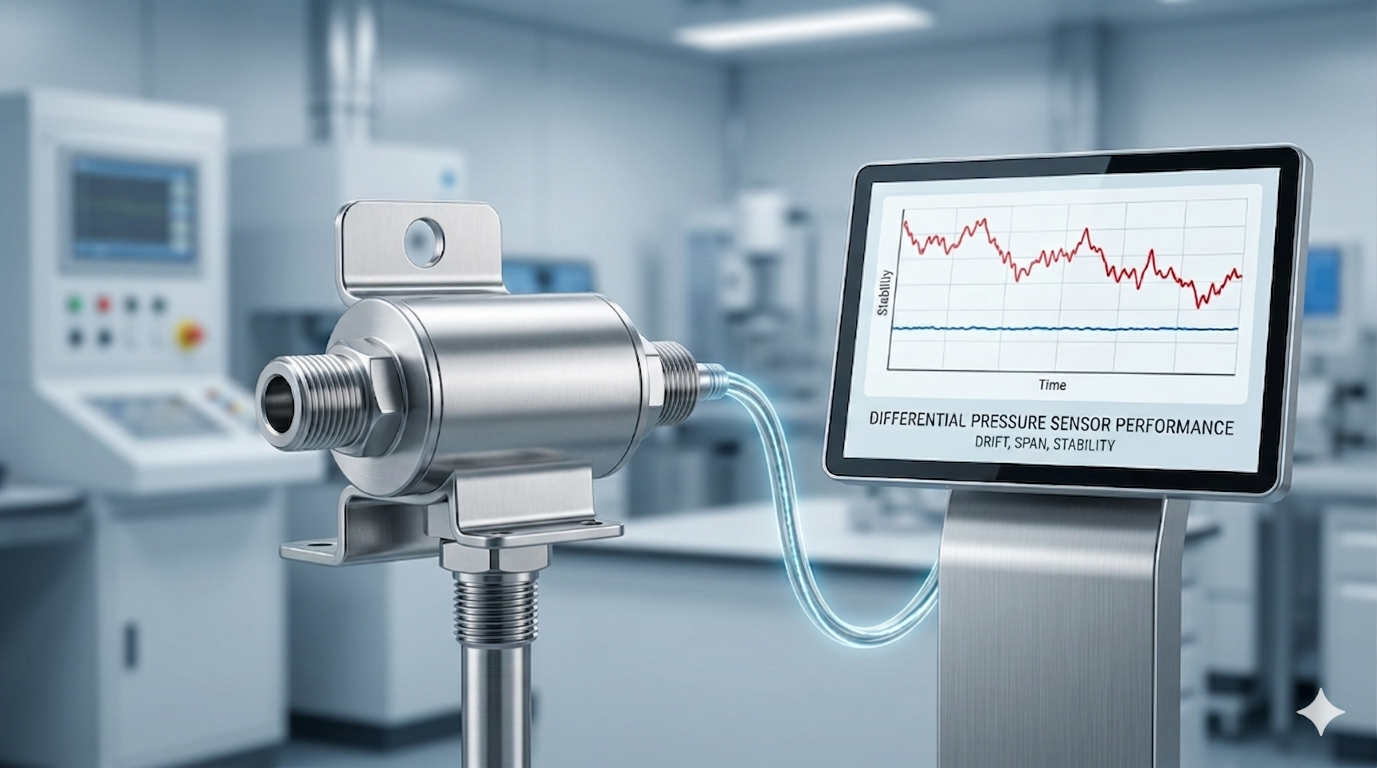
Aerospace, medical, Pressure Measurement
Understanding Zero Drift, Span Shift & Long-Term Stability and Differential Pressure Sensors
Pressure sensor accuracy isn’t determined only at the moment of calibration. Over days, weeks, or years, every pressure sensor experiences some degree of zero drift, span shift, and long-term stability…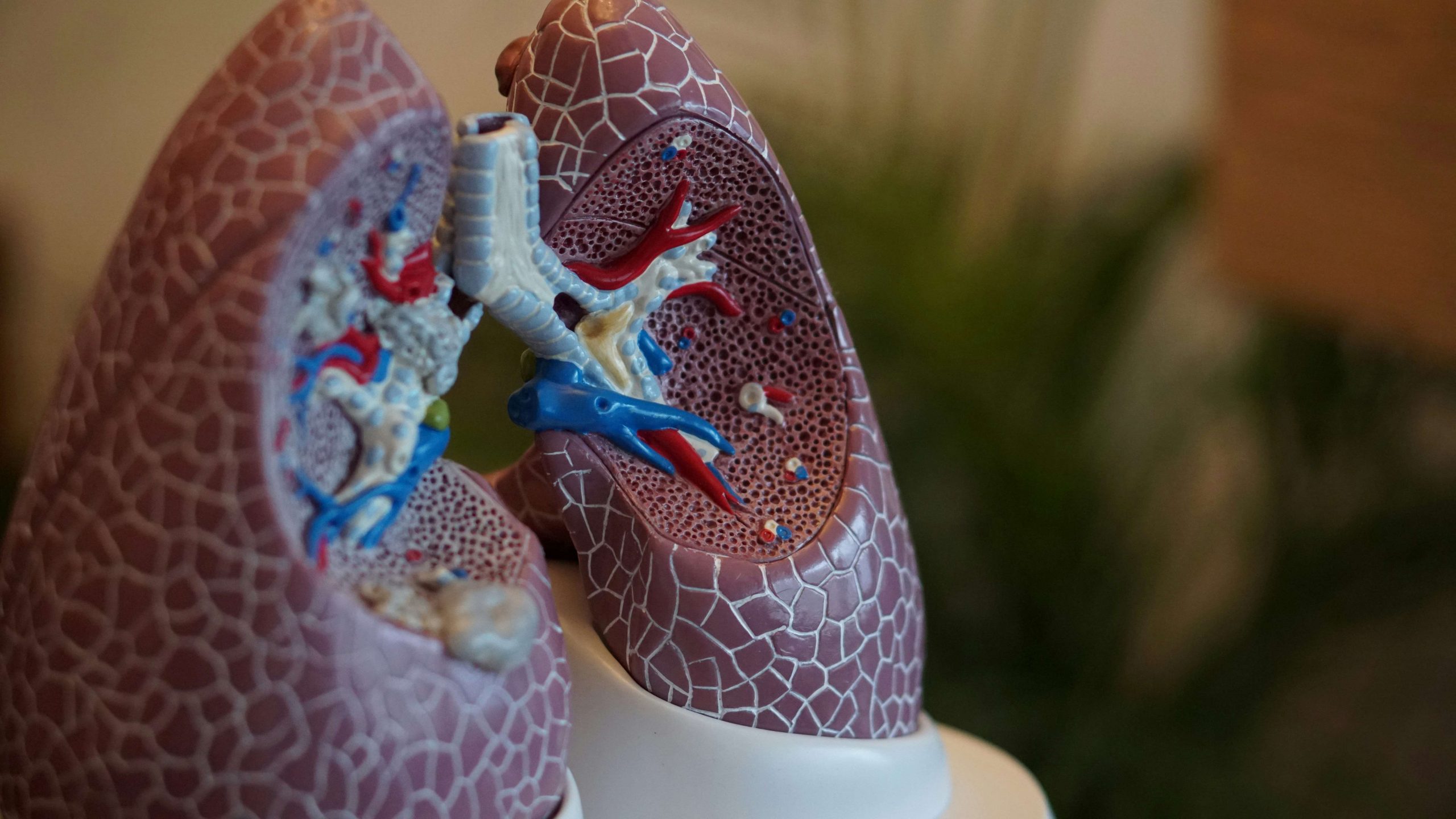
medical
Setting the Standard: Validyne’s Legacy in Portable Respiratory Testing
When it comes to respiratory diagnostics, precision is critical—especially in assessing muscle strength in patients with neuromuscular or chronic respiratory conditions. In a notable 1994 clinical study, a newly developed…
medical
Advancing Pulmonary Research: How Validyne Equipment Aided Spectral Analysis
Advancing pulmonary research often requires innovative approaches and reliable tools. In a 1975 study “Pulmonary Mechanics by Spectral Analysis of Forced Random Noise,” Edward D. Michaelson, Eric D. Grassman, and…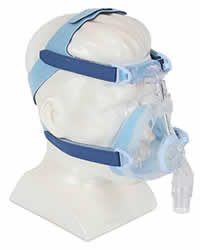
medical, University
PS309 Used to Test CPAP Mask
Sleep apnea is common sleep disorder in which breathing repeatedly stops and starts. This is most commonly caused by the relaxing of throat muscles or, more rarely, when the brain…Comments are closed