
University
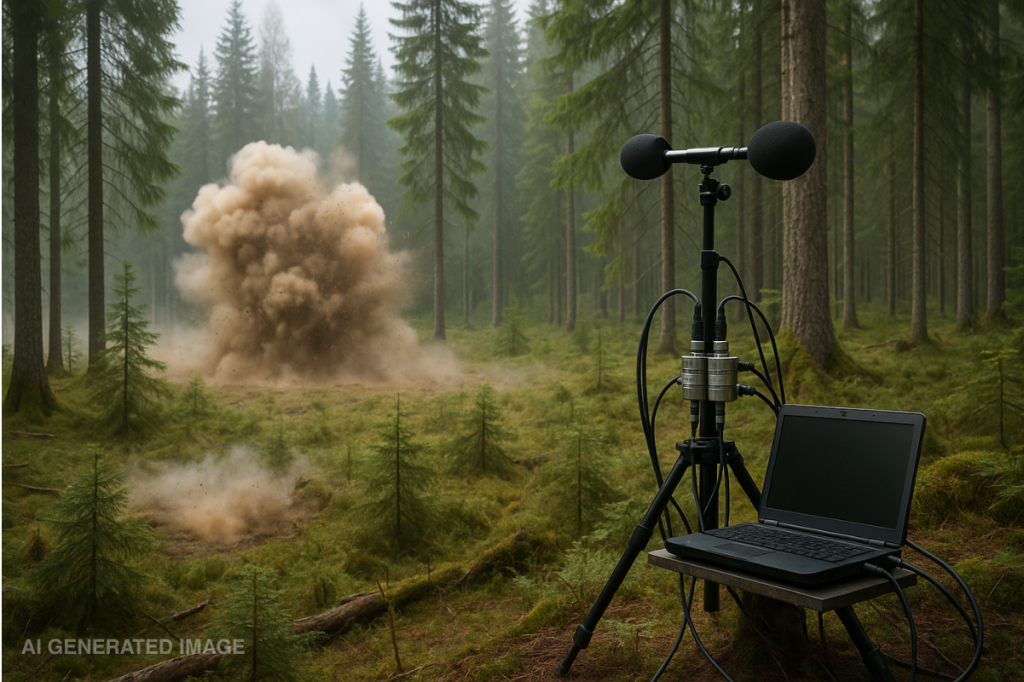
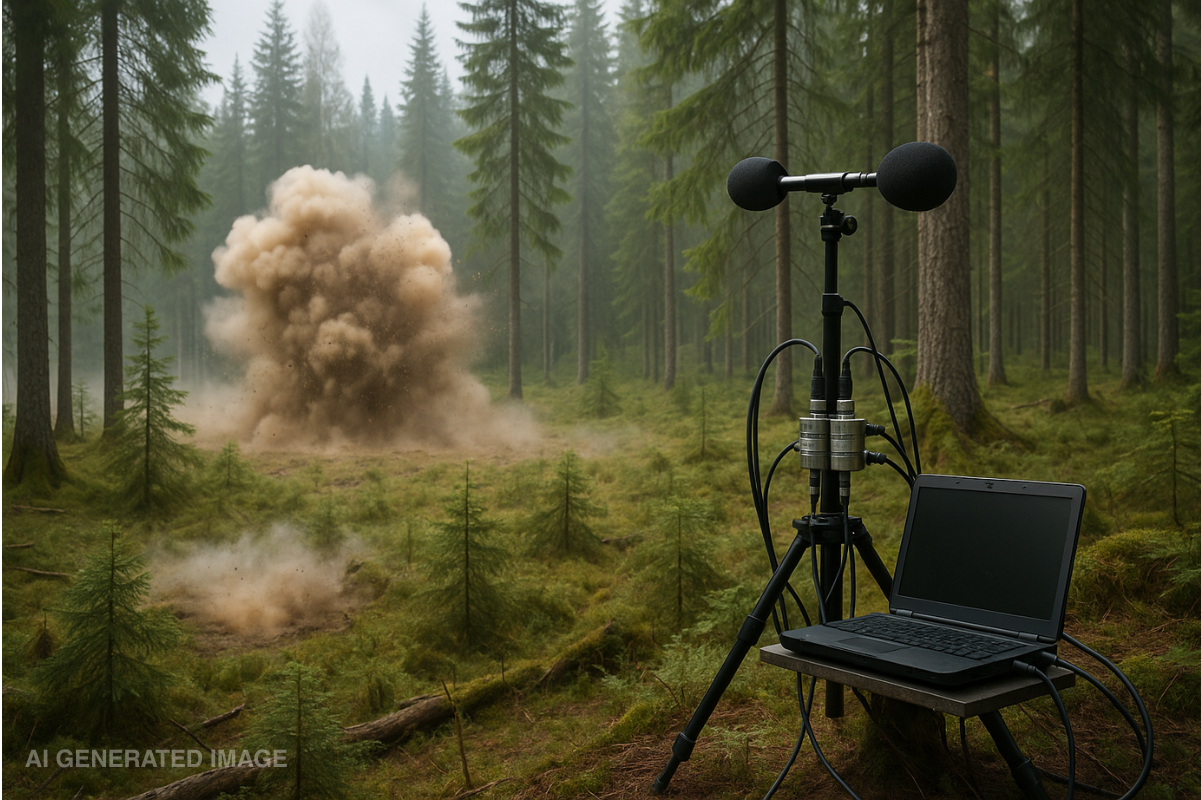
Measuring the Sound of Explosions in Norwegian Forests: How Validyne Transducers Supported Critical Acoustic Research
- Time histories of blast pressure waves
- Seismic activity
- Surface acoustic impedance
- Environmental variables (e.g., snow cover, vegetation density, wind)
- Low-frequency response (flat from DC to 200 Hz)
- High sensitivity, especially with the thinnest diaphragm configurations
- Custom adaptability, including a needle valve to create a reference pressure chamber for ambient pressure tracking
- Rugged design that tolerated cold, wind, and outdoor field conditions
In side-by-side tests with other devices, the P305D showed promising results:
- Compared to B&K Microphones:
While the B&K 4193 microphone exhibited some AC noise and the Chaparral microphone occasionally saturated, the Validyne sensor captured the key waveform features effectively—albeit with a slightly noisier signal and some signal drift. Still, it performed impressively given its cost and durability. - Compared to PCB and Kulite Sensors:
The Kulite and PCB transducers struggled with the sensitivity required for acoustic waves, especially in low-pressure environments. Validyne’s transducer was more responsive, able to detect pressure changes that others missed entirely. - Opportunities for Enhancement:
The study noted that future versions of the Validyne setup could benefit from on-board signal amplification to reduce noise and improve signal clarity. With that small upgrade, the P305D could become an even more powerful tool for field acoustics research.
Why It Matters
This study wasn’t just about noise—it was about how sound interacts with natural elements like snow, trees, and terrain. Understanding impulse noise behavior helps with:
- Designing safer military training grounds
- Predicting the environmental impact of explosions or loud machinery
- Improving long-range acoustic detection systems
The Takeaway: Validyne Is Field-Ready
From the frozen forests of Norway to defense and research applications around the world, Validyne’s differential pressure transducers continue to prove their value. The P305D performed on par with high-end sensors, while delivering the durability, affordability, and adaptability needed for extended field work.
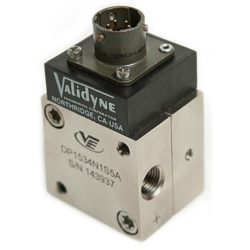
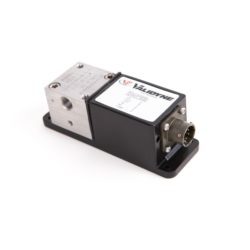
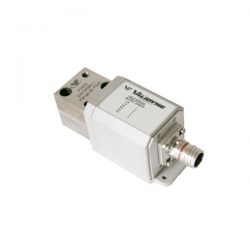
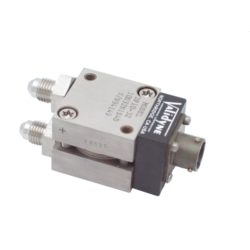
The rugged P55 pressure transducer and transmitter offer cost-effective, reliable performance in demanding test environments. Designed to withstand extreme shock and vibration, the P55 delivers the high-level accuracy and consistency typically expected from more delicate differential pressure instruments.
As an upgrade to the P305, the P55 features active temperature and linearity compensation, achieving accuracies of 0.1% or better — roughly ten times more precise than the P305D. The P55D model is built for enhanced corrosion resistance, with wetted parts options including 316 stainless steel, Hastelloy, and Inconel. With a broader temperature range, improved media compatibility, and additional corrosion-resistant options, the P55 surpasses the P305 in both functionality and durability.
Leave a reply
You must be logged in to post a comment.