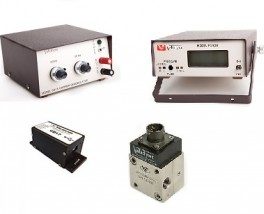
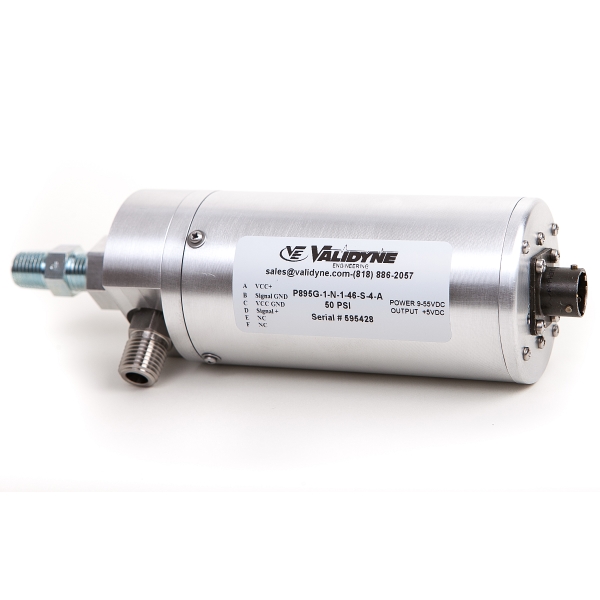
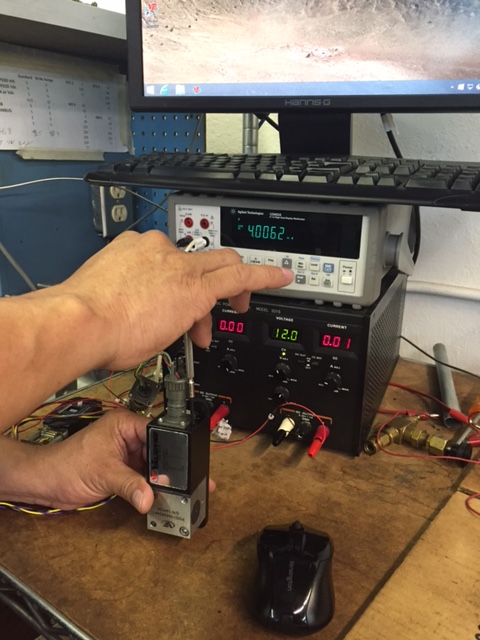
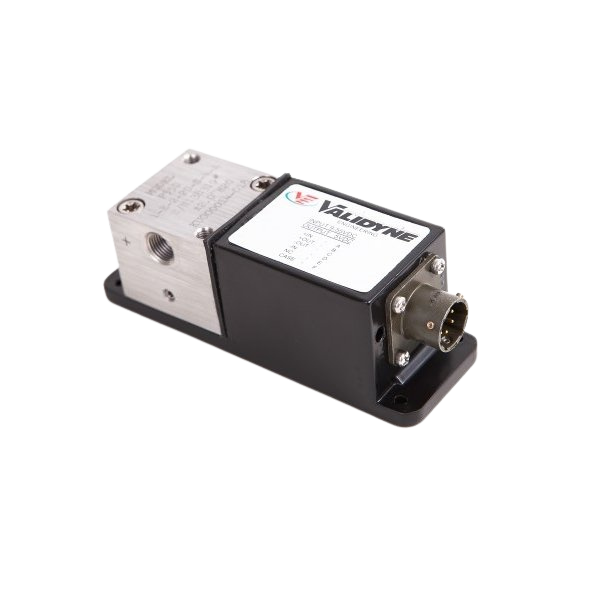
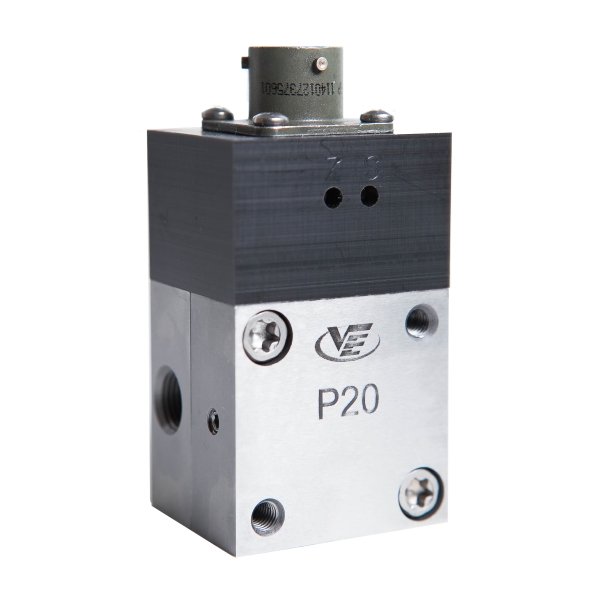
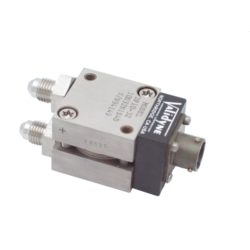
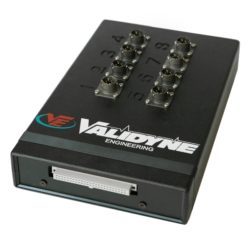
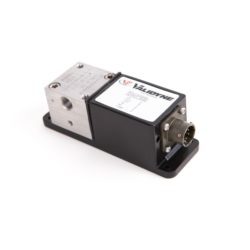
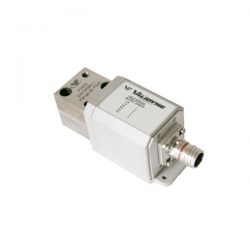
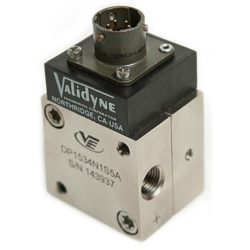
The most popular Validyne pressure transducers are the P55/P61/P365 series. These all include a pressure sensor, carrier demodulator electronics package, a high-level output signal, temperature and linearity correction as well… Read More
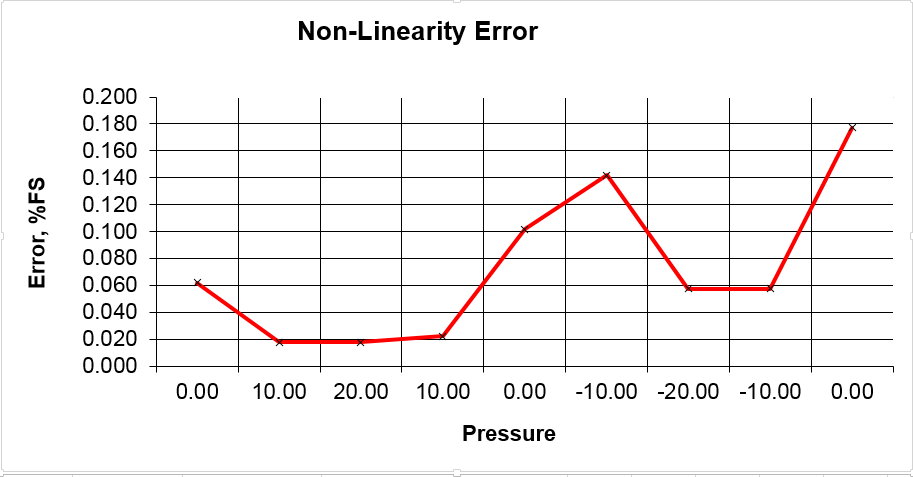
When using a pressure sensor to measure pressure, one of the first questions that comes up is accuracy: How closely does the value reported by the pressure sensor come to… Read More
Resolution and frequency response in pressure sensors and pressure transducers are two performance parameters that are important, but often misunderstood. This article will describe how each of these parameters relates… Read More
Pressure transducers are exposed to a wide variety of fluids and gases when used to measure pressure. Corrosion of the pressure transducer sensor body will shorten service life and lead… Read More
A subject that tends to cause confusion when specifying pressure transducers is measuring vacuum and how it relates to absolute pressure. Here are some definitions: Absolute Pressure – A pressure… Read More
All Validyne pressure transducers are calibrated at the factory, just before shipment. But how often should you calibrate a pressure transducer after that? This will depend on the application and… Read More
The over pressure and maximum line pressure specifications for differential transducers are often confused. This application note will describe the differences and give examples. Over Pressure: For all differential pressure transducers,… Read More
FOR IMMEDIATE RELEASE: Validyne “Senses” the Change in the Pressure Sensor Market and Reveals New Innovations Northridge, CA – June 30, 2015 – Validyne Engineering releases two new product lines… Read More
Validyne pressure transducers break down into two general categories, stand alone or sensor & electronics: Type 1 – A complete transducer with integral electronics Type 2 – A variable reluctance… Read More
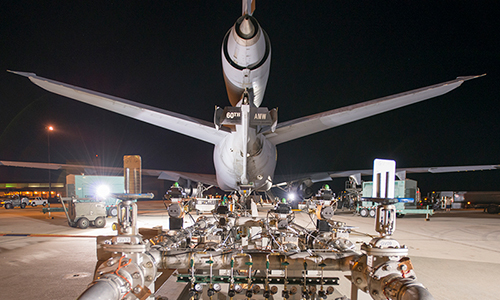
FOR IMMEDIATE RELEASE: Validyne Pressure Sensors “Soar” as an effective and versatile Flight Testing tool Northridge, CA – May 29, 2015 – Validyne Engineering sensors improve passenger air safety, and… Read More
We use cookies on our website to give you the most relevant experience by remembering your preferences and repeat visits. By clicking “Accept”, you consent to the use of ALL cookies on this site. Please review our privacy policy for more information.
This website uses cookies to improve your experience while you navigate through the website. Out of these, the cookies that are categorized as necessary are stored on your browser as they are essential for the working of basic functionalities of the website. We also use third-party cookies that help us analyze and understand how you use this website. These cookies will be stored in your browser only with your consent. You also have the option to opt-out of these cookies. But opting out of some of these cookies may affect your browsing experience.
Necessary cookies are absolutely essential for the website to function properly. This category only includes cookies that ensures basic functionalities and security features of the website. These cookies do not store any personal information.
Any cookies that may not be particularly necessary for the website to function and is used specifically to collect user personal data via analytics, ads, other embedded contents are termed as non-necessary cookies. It is mandatory to procure user consent prior to running these cookies on your website.