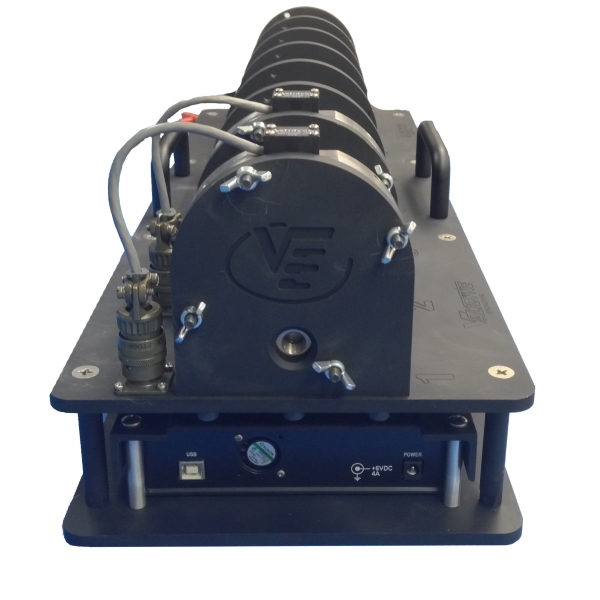
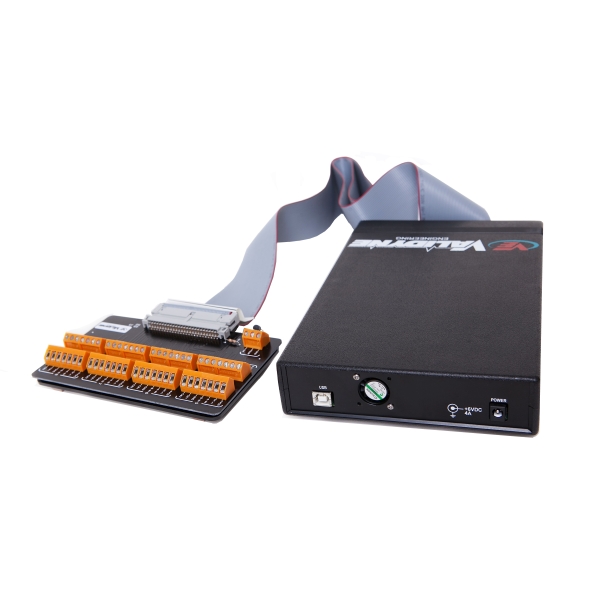
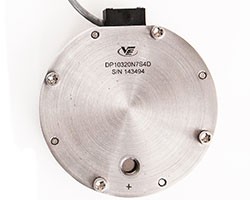
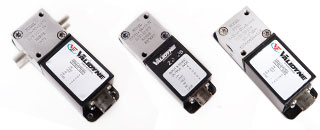
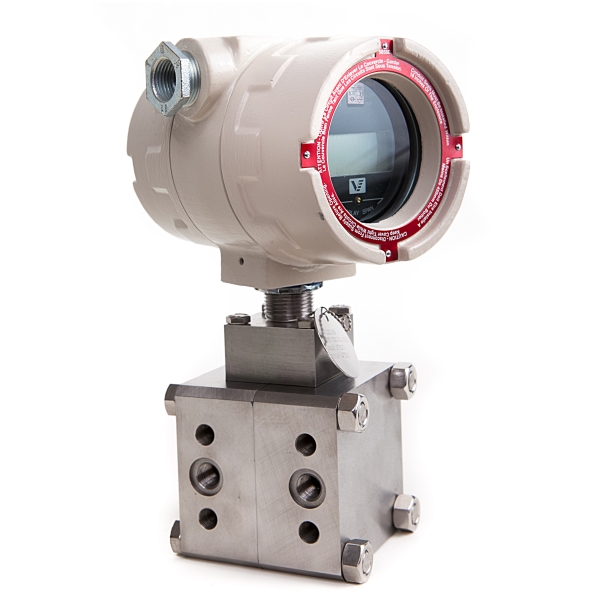
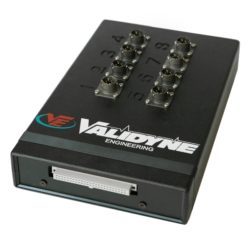
FOR IMMEDIATE RELEASE: Highly Configurable, Very Low Differential Pressure Transducer System Measures and Records Cabin Pressure Fluctuations Northridge, CA – April 29, 2015 – Validyne Engineering introduces the World’s first… Read More
Many pressure transducers and other field instruments use the two-wire 4-20 mA current loop for both power and signal. The 4-20 mA current loop is economical to install, using the… Read More
Metal buildings are relatively inexpensive, easy to construct and are used extensively for agricultural purposes in the western United States. But metal buildings are light and often present a large… Read More
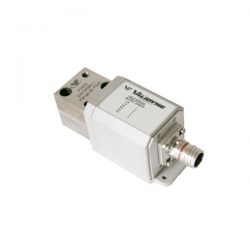
The P55 Handbook is a complete one-stop source of information on the Validyne P55 pressure transducer in a single pdf file. Here is the Table of Contents: P55 Data Sheet… Read More
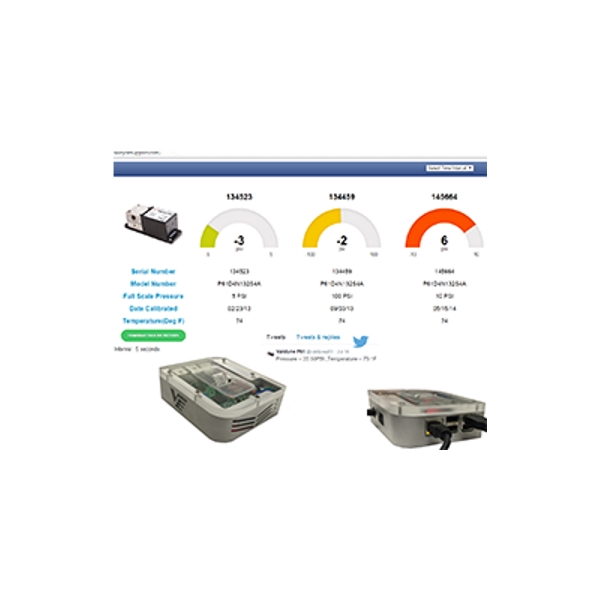
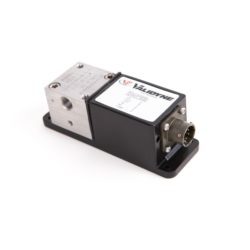
The SI314 is a network interface for the P61 series of Validyne pressure transducers bringing internet connectivity to pressure measurement. The SI314 allows the user to view pressure readings from up… Read More
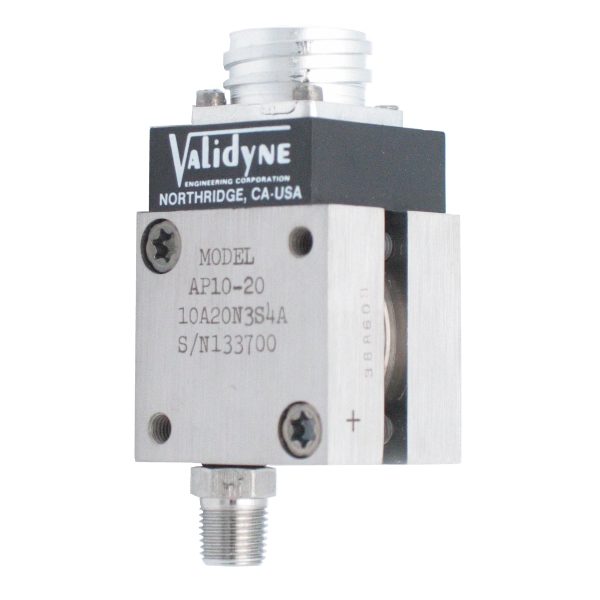
If you want to make an absolute pressure measurement, you have two choices of sensor type. The first and most obvious choice is to specify an absolute pressure transducer. Another… Read More
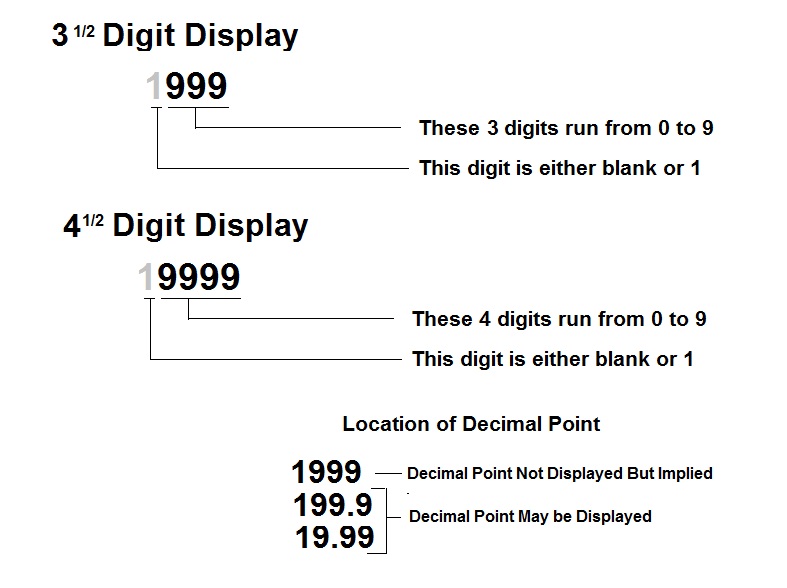
Digital display specifications can be confusing. Here is a short application note that describes the terminology and capabilities of digital displays. Digital displays are specified as being either 3-1/2 digits… Read More
One of the most difficult process measurements to make accurately is furnace draft pressure. This is the pressure inside the furnace that optimizes the air/fuel mixture for the most efficient… Read More
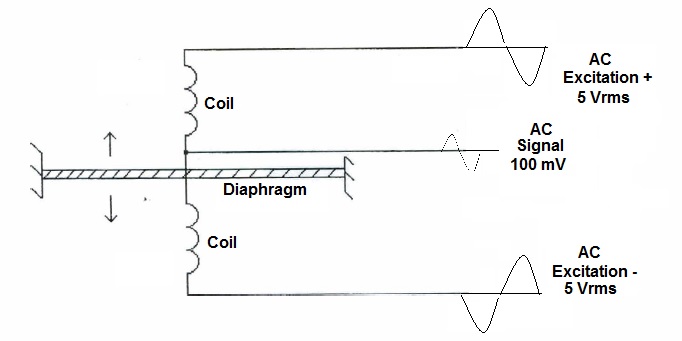
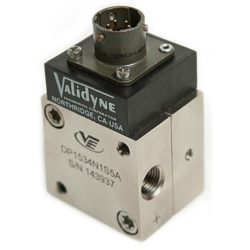
Validyne variable reluctance sensors such as the DP15 Pressure Sensor, DP103 Low Pressure Sensor, DP360 High Pressure Sensor, etc all have signal output(s) specified in ‘millivolts per volt’ or mV/V. What does this… Read More
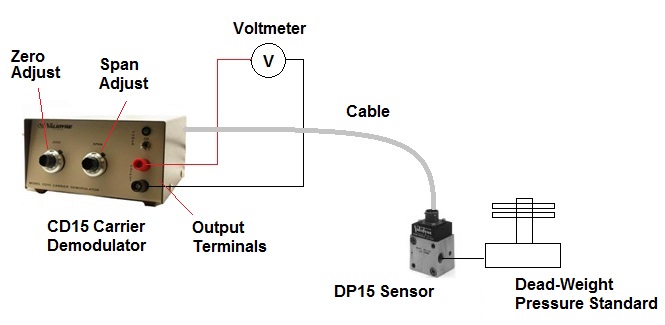
A pressure sensor is a device that changes pressure into an electrical signal. That electrical signal is only useful if it accurately represents the pressure applied to the sensor. Calibration… Read More
We use cookies on our website to give you the most relevant experience by remembering your preferences and repeat visits. By clicking “Accept”, you consent to the use of ALL cookies on this site. Please review our privacy policy for more information.
This website uses cookies to improve your experience while you navigate through the website. Out of these, the cookies that are categorized as necessary are stored on your browser as they are essential for the working of basic functionalities of the website. We also use third-party cookies that help us analyze and understand how you use this website. These cookies will be stored in your browser only with your consent. You also have the option to opt-out of these cookies. But opting out of some of these cookies may affect your browsing experience.
Necessary cookies are absolutely essential for the website to function properly. This category only includes cookies that ensures basic functionalities and security features of the website. These cookies do not store any personal information.
Any cookies that may not be particularly necessary for the website to function and is used specifically to collect user personal data via analytics, ads, other embedded contents are termed as non-necessary cookies. It is mandatory to procure user consent prior to running these cookies on your website.