Utility
Measuring Water Main Leakage
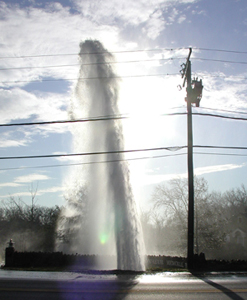
If a large water main is leaking, how would you know? What part of the city consumes the most water, and when? More importantly, how can you distinguish between high consumption and actual water main leakage? These are critical questions often asked of the city water engineer. In order to give an accurate answer, direct measurement of the flow in a large water main is often the best way to verify metering station data and pinpoint the telltale signs of a leak. How can the flow in a water main be observed directly?
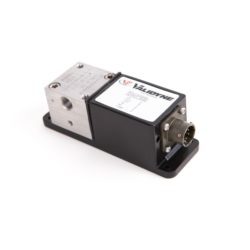
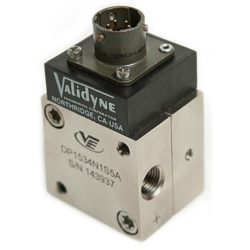
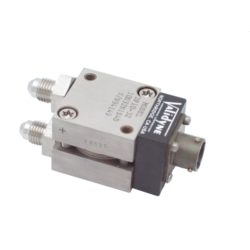
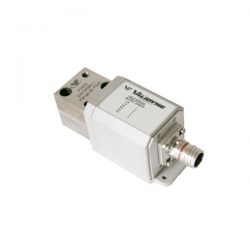
Fluid flow in a water main can be measured using a pitot tube and differential pressure transducer. Water mains are usually accessible from underground vaults in city streets. A pressure tap is made, while the main is still under pressure, and a pitot tube inserted into the water flow. A cross-sectional survey is made by traversing the pitot tube across the ID of the water main pipe. The differential pressure is recorded at each point across the survey. Calculations are later made to convert the differential pressure readings into water velocity, and the flow rate calculated from the velocity profile.
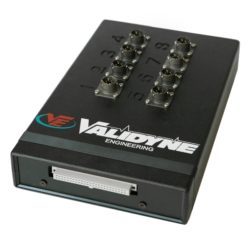
Water in large mains may be moving very slowly, making small, persistent flows from water main leakage difficult to detect, so the differential pressure developed across the pitot tube will also be small. The pressure transducer must be capable of measuring low differential pressures while operating at the static pressure of the water main. The analog output of the pressure transducer can be sent to a portable data logger for long-term studies to identify and quantify water main leakage.
Related posts
Aerospace, Automotive, Data Acquisition, Military, Oil & Gas, Pressure Measurement, University, Utility
Inside Validyne Manufacturing: How Precision Manufacturing Improves Sensor Quality and Lead Time
Why In-House Machining Makes the Difference One of Validyne’s biggest advantages, and one that most sensor companies cannot match, is that we machine almost every metal component of our sensors…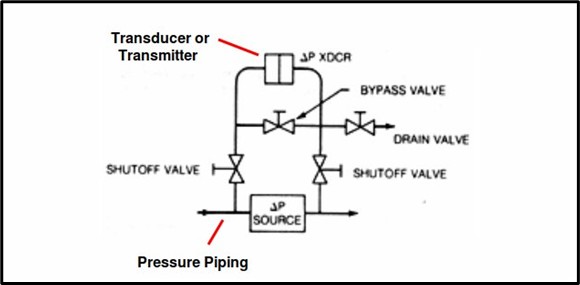
Pressure Measurement, University, Utility
How to Plumb a Pressure Transducer for Safe Removal
Proper valve arrangements let you install, remove, or service a transducer without shutting down your system, and without risking damage to the sensing element. Gauge Pressure Applications (PSIG) If you’re…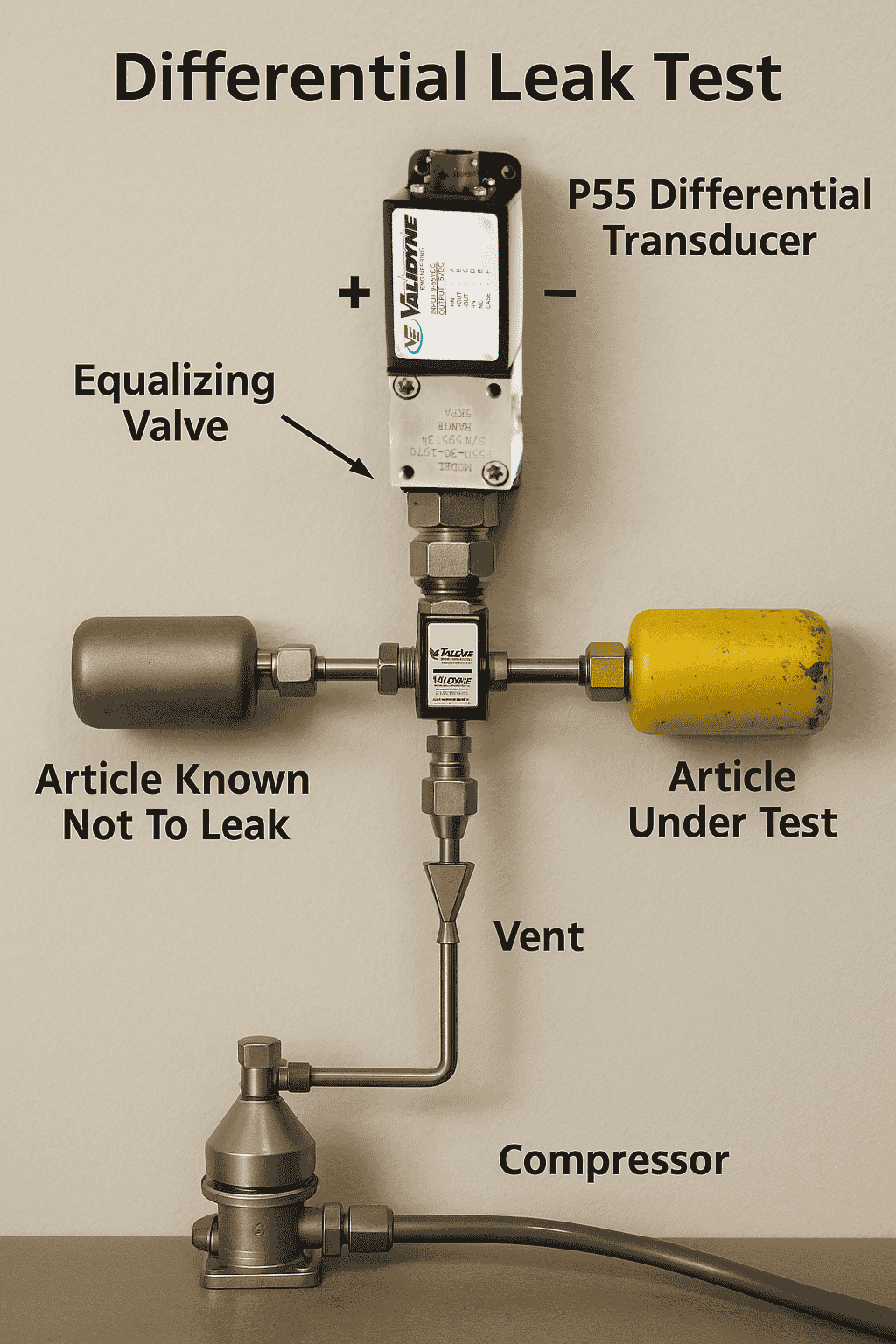
Pressure Measurement, Utility
Leak Testing with Pressure Transducers: Updated for Today’s Demands
Ensuring Product Integrity, One Leak Test at a Time Leak testing remains a critical quality control step across industries—from automotive to aerospace to medical devices. The traditional method of pressurizing…
Aerospace, Utility
Validyne Pressure Sensors: Reliable Performance in Radiation-Exposed Environments
Pressure sensors play a crucial role in industries where accuracy and durability are essential—especially in radiation-heavy environments like nuclear power plants, medical radiation therapy, and high-energy physics laboratories. Among the…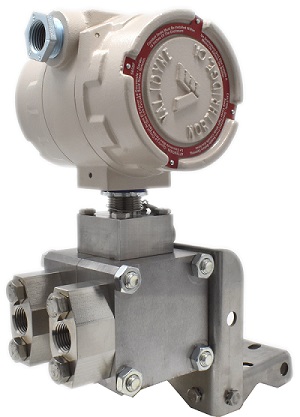
Utility
Nuclear Qualified Draft Range Differential Pressure Transmitter
The N-DR800 is a nuclear qualified draft range differential pressure transmitter designed for use in Nuclear power plants for very low pressure measurements such as HEPA vent filter, HEPA filter…Comments are closed